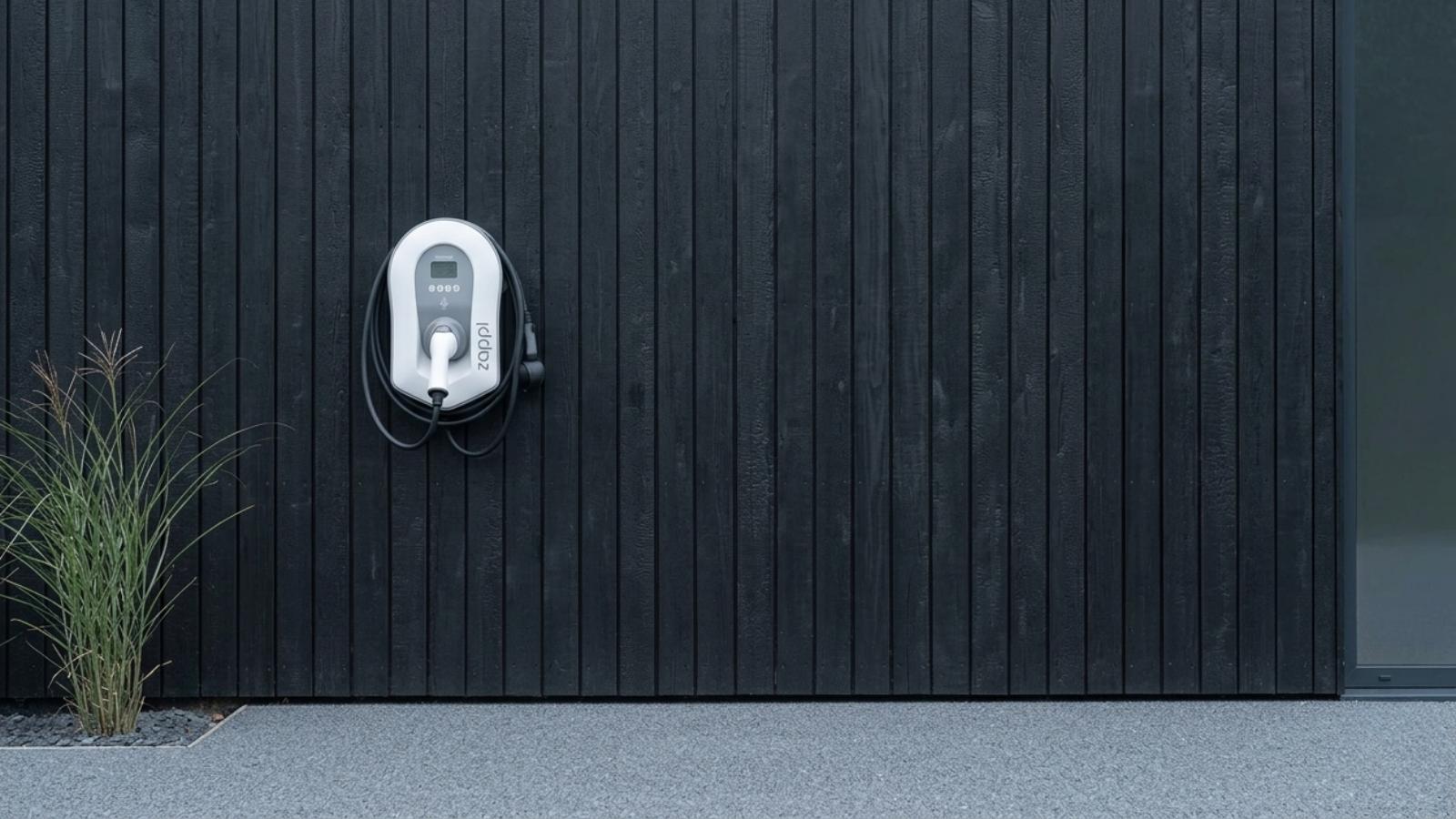
 FIG. 01 / HERO The Zappi v2.1 Multiphase, the UK's best-known solar EV charger
 The verdict
The Zappi is the UK’s best-known solar EV charger, and for solar homes or near-term solar planners the honest answer is the one myenergi puts in its marketing: this is the right product. The solar divert is class-leading, the three charging modes give you real control over the grid-versus-solar trade-off, and the v2.1 generation moved built-in WiFi and Ethernet into the unit itself, so you no longer need a Harvi accessory just to get the charger online.
For everyone else, the honest answer is different. The Zappi is a premium-priced charger built around a headline feature you will not use, and a cheaper smart charger or an Ohme will likely serve you better for the money. That is the call this page makes and the call most retailer reviews dodge.
This review is editorial synthesis, not hands-on. We have not tested the Zappi at JustWatt, and we do not run a solar array, so the divert performance is assessed from myenergi’s documentation and consistent owner reports rather than first-hand. Where we draw on lived experience, the Ohme comparison section specifically, we say so plainly and stay on the right side of the boundary.
We rate the Zappi 4.5 out of 5 for its intended user. For non-solar buyers, the rating reads differently. The detail follows.
Specs at a glance
The current Zappi is the v2.1 Multiphase. Since January 2025, myenergi has shipped a single unit that runs as a 7.2kW single-phase charger on a typical UK home or as a 22kW three-phase charger where the property has three-phase supply, configured at install. The earlier split between separate single-phase and three-phase variants is gone; one unit covers both cases. The output is Type 2, available in tethered (6.5-metre cable, in either black or white) or untethered (socket-only, for owners who prefer to use the cable supplied with the car). Untethered makes sense only if you still have an early Type 1 EV, which means almost nobody in 2026.
The headline non-spec feature is built-in WiFi and Ethernet, which is new to the v2.1 generation. The earlier v2 needed a separate Harvi accessory to get the charger online; the v2.1 does not. The Harvi is still relevant for three-phase installs where you want to monitor solar or battery circuits separately, because all three of the included CT clamps go to the grid measurement in that configuration, but for a single-phase home with solar, the included clamps cover it. The unit ships with three CT clamps as standard, has built-in PEN fault protection (no separate earth rod needed), an IP65 weather rating, and a three-year manufacturer warranty matching the UK industry standard.
- Power output
- 7.2kW single-phase or 22kW three-phase (multiphase unit, configured at install)
- Connector
- Type 2
- Cable options
- Tethered (6.5m) or untethered (socket only)
- Colours
- Black/grey or white/grey
- Display
- Backlit LCD on unit
- Connectivity
- Built-in WiFi and Ethernet — Harvi not required for basic connectivity
- Charging modes
- Fast / ECO / ECO+ / Stop
- Solar integration
- Built-in divert with 3 CT clamps included; Minimum Generation Level (default 1.4kW) and Minimum Green Level slider
- Earth protection
- Built-in PEN fault detection (no earth rod needed)
- Weather rating
- IP65 (outdoor mounting)
- Smart-tariff integration
- OCPP 1.6J compatible; works with Intelligent Octopus Go via timer boost; integrates with myenergi Eddi and Libbi
- Firmware updates
- Over-the-air via WiFi or Ethernet
- Warranty
- 3 years (industry standard)
- OZEV-approved
- Yes
Mechanically and electrically, the spec sheet looks similar to the rest of the smart-charger market. 7.2kW is at the single-phase domestic ceiling; Type 2 is the dominant home connector; PEN protection and weatherproofing are regulatory expectations; three-year warranty is standard. None of that is the reason to buy a Zappi. The reason is the solar divert, which the spec sheet does not capture because divert is a behaviour, not a number. If you read only the specs, the Zappi looks like a £700 charger doing the same job as a £450 one. The job it actually does is different, and only for the right home.
For the tethered-versus-untethered question and how smart chargers differ from basic units, our charger types guide covers the trade-offs.
The solar integration — what divert actually means
A standard EV charger draws whatever it needs from the grid and ignores anything else going on in your home. If your solar array is generating 3kW of surplus and exporting it back to the grid, the charger keeps pulling its full rate from the grid alongside, and you get paid the (low) export rate for solar you could have used.
A solar-divert charger watches the grid connection and prioritises surplus solar before drawing from the grid. The Zappi reads three CT (current transformer) clamps that sit on the meter tails, measuring power flow at the grid connection in real time. When the clamps see surplus power being exported, the Zappi can dial its draw up to capture it, charging your EV from energy your panels are already producing. When the surplus disappears, it dials back or pauses. None of that involves the grid paying you for export; you keep the energy on-site and put it into the car.
The Zappi has three modes that determine how aggressively it does this.
| Mode | What it does | Best for | Grid draw |
|---|---|---|---|
| Fast | Charges at the supply maximum (7.2kW single-phase, up to 22kW three-phase). Ignores solar. | Urgent top-ups; scheduled smart-tariff boosts overnight | Maximum |
| ECO | Charges at a 1.4kW minimum always. Uses all available solar surplus, tops up from grid to maintain the floor. | Day-to-day default for solar homes wanting continuous charging | Variable (grid fills the gap to 1.4kW) |
| The solar mode ECO+ Pure surplus | Charges only when solar surplus exceeds the Minimum Generation Level (default 1.4kW). Pauses below threshold. Minimum Green Level slider tunes green-versus-speed. | Pure-solar charging on sunny days; free energy over speed | Zero (at 100% green) up to partial |
The 1.4kW floor is set by international EV charging standards — below that, EVs do not accept charge.
Fast mode ignores solar entirely and charges at the maximum rate the supply allows. 7.2kW on single-phase, up to 22kW on three-phase if the vehicle supports it. Use this when you need the car charged quickly and do not care about optimisation.
ECO mode charges at a minimum of 1.4kW always, topping up from the grid as needed. If solar surplus is 2kW, the Zappi charges at 2kW from solar with no grid draw. If solar surplus is 1kW, the Zappi charges at 1.4kW with 0.4kW coming from the grid. If solar surplus is zero, the Zappi charges at 1.4kW entirely from the grid. The 1.4kW floor is set by international EV charging standards (below that, EVs do not accept charge), so ECO mode is the practical “always charging, mostly green” setting.
ECO+ mode is the pure-solar mode. The Zappi only charges when surplus exceeds a configurable Minimum Generation Level, which defaults to 1.4kW. When a cloud passes and surplus drops below the threshold, charging pauses; when the sun returns, it resumes. The myenergi app has a Minimum Green Level slider running from 1% to 100%, which lets you tune the green-versus-speed balance: at 100%, the unit only charges from pure surplus, and a cloudy hour means no charging at all; at 50%, the unit accepts some grid supplement to keep moving, in exchange for a less perfectly-green session.
For someone with solar, ECO and ECO+ are the modes that earn the Zappi its premium. Most owners use ECO as their default and switch to ECO+ on bright days, or use scheduled boosts to top up overnight on a cheap tariff while ECO mode handles daytime solar capture. For someone without solar, all three modes collapse to the same behaviour: charge at whatever rate the grid provides. That is the case the rest of the page is built around.
Who the Zappi is actually for
Solar homes (or near-term solar planners). If you have solar panels installed, or you are firmly planning to install them within the year, the Zappi is the right charger. The divert feature is genuinely class-leading and the v2.1 is the easiest generation to set up. A typical 4kWp UK array can power between 1,200 and 1,800 kWh of EV charging a year from surplus solar, depending on driving pattern and how often the car is home during daylight hours. At a grid-avoided rate of around 26.11p/kWh (the Ofgem Q3 2026 standard variable cap), that is roughly £315 to £470 a year of charging that costs you nothing extra, energy your panels would otherwise export at a much lower rate. Over five years, the divert pays back the premium over a cheaper smart charger several times over. The Zappi sits inside myenergi’s wider ecosystem (Eddi for solar hot water, Libbi for home battery, Hub) and the integration with those products is the deepest in the UK market if you are committed to the brand stack.
Pay for the solar divert if you will use it. If you will not, pay less for a charger that does what you will actually do.
Everyone else. The Zappi is over-specced and over-priced for any home without solar. The divert feature is the entire reason the unit costs what it costs; without solar, you are paying for hardware that sits idle. A cheaper smart charger does grid-only charging perfectly well for £400 to £700 installed, against the Zappi’s typical £1,079 to £1,365 installed. If you want serious tariff-negotiation smarts, the kind where you plug in and the platform handles every timing decision for you, an Ohme Home Pro at around £975 installed integrates directly with Octopus’s Kraken platform in a way no other charger matches, and the Zappi does not lead on that axis even with its built-in WiFi. The cleanest framing: pick the Zappi for solar, pick the Ohme for Octopus, pick a basic smart charger for everything else.
A reasonable counter is that solar is in your future, even if not your present. If you are months away from a solar install, the Zappi makes sense; you buy once and the charger is ready when the array is. If solar is more of a vague “one day”, over a year out or genuinely uncertain, the maths on paying the premium today rarely works. A cheaper charger now, plus a Zappi later if the solar actually happens, is usually the better outcome than buying for a future that may not arrive.
Zappi vs Ohme
The most-searched cross-comparison in this category. The honest answer is that these chargers are not better-or-worse versions of each other; they are different tools for different homes.
The Zappi’s edge is solar. The divert is class-leading, the three modes give granular control, and the myenergi ecosystem extends to hot water (Eddi) and home battery (Libbi) if you want to consolidate. The v2.1 has built-in WiFi and Ethernet, which removes the older Harvi-required friction. Reliability and build quality are well-regarded in the owner community over multiple years of installs.
The Ohme Home Pro’s edge is tariff intelligence. Our Ohme Home Pro review covers this in detail from six months of daily use: the Ohme talks directly to Octopus’s Kraken platform, and you set a ready-by time and target state of charge once, after which the platform handles every charging decision. You do not need to think about scheduling, off-peak windows, or boost timers. For an Octopus customer on Intelligent Octopus Go, that integration is genuinely class-leading, and it is one place the Zappi does not match the depth, even with the v2.1’s improved connectivity. The Ohme is also typically £100 to £400 cheaper installed than the Zappi, and lives on a smaller wall footprint, though it is plainer-looking.
Which one to buy reduces to two questions.
Do you have solar, or will you within the year? If yes, Zappi. The divert feature is the deciding criterion, and the Ohme does not have a competitive answer to it.
Are you on Octopus, or considering Intelligent Octopus Go, with no solar? If yes, Ohme. The Kraken integration is the deciding criterion, and the Zappi does not have a competitive answer to it.
Neither charger is the right answer for both questions at once. Solar owners on Octopus are the edge case where the choice is genuinely close; in that scenario, the Zappi tends to win because solar is the larger ongoing saving and Octopus integration via timer boost is good-enough on the Zappi rather than class-leading. Owners without solar who are not on Octopus typically should not be paying premium prices for either; a cheaper smart charger covers them.
Living with it, from owner reports
The Zappi has a long owner base and consistent themes emerge across owner forums, retailer reviews, and the myenergi support community. We have synthesised these as themes rather than first-hand testing; the methodology block at the foot of this page is explicit about that.
Reliability is solid. Owners report long unit lifetimes, with the v2 generation having racked up years of trouble-free service for many users. The v2.1, being newer, has a shorter track record but the underlying architecture is the same and the early returns are similar. Hardware faults are uncommon; when they occur, myenergi’s UK-based support is generally well-regarded for handling them.
Setup is fiddlier than a plug-and-go charger. This is the most consistent honest criticism in the owner community. The Zappi has more configuration than a typical smart charger: three modes, the Minimum Generation Level setting, the Minimum Green Level slider, optional CT-clamp placements for solar and battery monitoring, the ecosystem app pairings with Eddi or Libbi if you have them. For a confident installer and a tech-comfortable owner, this is a one-time setup and then it just runs. For a less technical owner, the learning curve is steeper than the Ohme or a basic smart unit. The trade is real granularity in exchange for real friction.
The myenergi app is solid but not slick. Owners report it does the job well (comprehensive data, full remote control, all the modes accessible) but the interface design is less polished than the Ohme or Hypervolt equivalents. Functional rather than beautiful.
The unit itself is reasonably sized but not compact. Bigger than the Ohme and the Hypervolt on the wall, similar to the Pod Point. If wall space is tight, this matters; if the install is in a garage or out of the way, it does not.
Price and where to buy
The current installed price band for the Zappi v2.1 sits between £1,079 and £1,365 depending on retailer, cable configuration, install complexity, and any electrical works needed. The unit-only retail price varies more widely; the v2.1 Multiphase Tethered sits in the £640 to £770 band ex-VAT depending on colour and supplier, with the Untethered version cheaper at £515 to £640. Installation typically adds £200 to £400 on top, before any complications.
For comparison, a basic 7kW smart charger lands at £400 to £700 installed, and the Ohme Home Pro at around £975 installed. The Zappi premium over a basic charger is roughly £400 to £700 over a typical install, the cost of buying the solar divert. The maths for whether that pays back is straightforward: a 4kWp solar array delivering 1,200 to 1,800 kWh of free EV charging a year is £300 to £450 in avoided grid spend at standard tariff rates, which clears the premium within two years for most solar homes. Without solar, there is no payback; you have bought hardware you will not use.
The OZEV chargepoint grant covers eligible buyers (renters, flat owners, residential landlords, on-street cross-pavement installations) for £500 per socket against an OZEV-approved charger. The Zappi v2.1 is on the OZEV-approved list. Owner-occupiers in a house with a driveway have not been eligible since April 2022, which excludes most readers from grant support; see our EV charger grants guide for who qualifies.
Where to buy: check the current Zappi price at myenergi .
Alternatives worth considering
If the Zappi is not the right fit, three other chargers cover the most common alternative needs. Our best home EV chargers guide covers six picks in full.
Ohme Home Pro is the right answer for Octopus customers and Intelligent Octopus Go users without solar. The Kraken-direct integration handles scheduling automatically and the unit lands around £975 installed, comfortably under the Zappi. If you do not have solar and you do have an Octopus account, this is the better buy. Our Ohme Home Pro review covers it in full.
Hypervolt Home 3 Pro is the pick for non-solar buyers who want a strong smart charger with a longer cable and a more polished aesthetic than the Ohme. Smart features are competitive with the Zappi (without divert), the cable retracts into the unit when not in use, and the build looks designed rather than utilitarian. Typical installed price £1,000 to £1,200, similar to the Zappi but for a non-solar feature set.
Pod Point Solo 3 is the most familiar UK brand and the choice for owners who want their home charger account tied to Pod’s own public charging network, now under EDF ownership. The app is functional but feels a generation behind the Ohme and Hypervolt equivalents, and the smart-tariff integration is shallower than either. If brand recognition and that home-and-public ecosystem matter, this is the pick; our Pod Point Solo 3S review has the full verdict.
Andersen A3 is the prettiest charger on the market and a category of one on aesthetics. Premium pricing (£1,500 to £2,000 installed) reflects the design rather than superior smart features. If the charger is on a visible wall and looks lead, the Andersen earns its premium; if it is round the back next to the bins, it does not.
| Charger | Best for | What stands out | Installed |
|---|---|---|---|
| Reviewed here Zappi v2.1 Multiphase Solar homes | Solar homes (or near-term planners) | Class-leading solar divert; built-in WiFi/Ethernet; myenergi ecosystem | £1,079–£1,365 |
| Ohme Home Pro | Octopus customers, no solar | Class-leading Octopus/IOG integration via Kraken-direct scheduling | ~£975 |
| Hypervolt Home 3 Pro | Design + long cable, no solar | Retractable cable management; more polished aesthetic than the Ohme | £1,000–£1,200 |
| Pod Point Solo 3 | Brand familiarity, own public network | Most recognised UK brand; EDF-owned, runs its own public network | £999–£1,049 |
| Andersen A3 | Aesthetic-first installs | Best-looking charger on the market; smart features adequate, not the reason to buy | £1,500–£2,000 |
Installed price bands are directional and vary by retailer, install complexity, and OZEV-grant eligibility.
Verdict — who it is for, and who it is not
Best for: Solar homes, or homeowners firmly planning to install solar within the next year. The class-leading solar divert feature, three configurable charging modes, and the wider myenergi ecosystem (Eddi, Libbi, Hub) make this the right charger for getting maximum value from a domestic solar array. Owners who want local-network control via built-in WiFi and Ethernet, new to the v2.1 generation, get that without needing the separate Harvi accessory that earlier models required.
Not for: Homes without solar and no near-term plans to install it. The premium over a basic smart charger or an Ohme Home Pro pays for divert hardware that will sit idle. Buyers prioritising native smart-tariff integration with Octopus and Intelligent Octopus Go are better served by the Ohme Home Pro, where the Kraken-direct scheduling is genuinely class-leading. Buyers wanting the cheapest route to smart charging should look at the basic-charger end of our home charger picks, where £400 to £700 installed gets the same grid-only outcome the Zappi delivers without divert.
The Zappi is not a charger that competes on all axes. It is a category-defining product for one buyer profile and an over-specified premium product for everyone else. The rating reflects the quality of the product for its intended user; the value question for non-intended users is settled in the prose, not in the score.
Rating: 4.5 out of 5 for its intended user (solar homes).
Methodology and independence
This review is editorial research synthesis by the JustWatt editors. We have not tested the Zappi at JustWatt, and we do not run a solar array, so the divert performance and three-mode behaviour are assessed from myenergi’s primary documentation, the myenergi support hub, and consistent owner reports across user forums and retailer reviews, not from first-hand testing. Where the Ohme Home Pro comparison draws on lived experience, that is Ross’s published Ohme Home Pro review; the Zappi side stays synthesis throughout.
This page carries an affiliate link to the Zappi. The merchant is registered but the affiliate programme is not currently active, so /go/zappi/ routes through to myenergi without earning any commission at this time. If an affiliate relationship is established in future, this disclosure will be updated to reflect that, and the rating and recommendation will not change as a consequence.
Pros and cons.
Pros
- ✓Class-leading solar divert via three configurable modes (Fast, ECO, ECO+): charge from surplus solar your panels would otherwise export at a low rate.
- ✓Built-in WiFi and Ethernet on the v2.1 generation: the Harvi accessory earlier Zappis needed for connectivity is no longer required for a typical single-phase home.
- ✓Multiphase unit covers both supply types: the same unit runs as 7.2kW single-phase or 22kW three-phase, configured at install.
- ✓Mature ecosystem integration with myenergi's Eddi (solar hot water) and Libbi (home battery), all through one app: the deepest single-stack integration in the UK market.
- ✓Three CT clamps included: grid monitoring on a single-phase install, with two spare for solar and battery measurement.
- ✓OZEV-approved and OCPP 1.6J compatible: eligible for the £500 chargepoint grant where the buyer qualifies, and works with third-party charge-point platforms.
- ✓UK-designed and manufactured with UK-based customer support, widely reported as responsive in the owner community.
Cons
- ✗Over-specified for non-solar homes: the divert hardware that justifies the premium sits idle without solar, so a cheaper smart charger or an Ohme is the better buy.
- ✗Premium installed pricing (£1,079–£1,365 typical) against £400–£700 for a basic smart charger and around £975 for an Ohme Home Pro. The premium pays back only with solar.
- ✗More setup configuration than competitors: three modes plus Minimum Generation Level plus Minimum Green Level plus optional CT-clamp positioning is a real learning curve for less technical owners.
- ✗Tariff-negotiation smarts are not class-leading: the Ohme's Kraken-direct Octopus integration is deeper, even with the v2.1's improved connectivity.
- ✗Larger wall footprint than the Ohme and Hypervolt equivalents: not compact, which matters if wall space is tight.
- ✗App is functional but less polished than the Ohme or Hypervolt equivalents per consistent owner reports: does the job, not slick.
Frequently asked.
Zappi vs Ohme — which should I buy?
Two questions decide it. If you have solar panels (or firm plans to install them within the year), buy the Zappi; the solar divert is class-leading and the Ohme has no competitive answer to it. If you are on Octopus and considering Intelligent Octopus Go with no solar, buy the Ohme; the Kraken-direct integration handles smart-tariff scheduling automatically in a way the Zappi does not match even with the v2.1's improved connectivity. Solar owners on Octopus have the closest call; the divert is usually the larger ongoing saving, so the Zappi wins narrowly. Owners without solar and not on Octopus typically should not be paying premium prices for either.
Does the Zappi need solar to be worth it?
Practically, yes. The solar divert feature is the entire reason the Zappi costs more than a basic smart charger, and without solar that feature sits idle. A cheaper smart charger does grid-only charging perfectly well for £400 to £700 installed against the Zappi's typical £1,079 to £1,365 installed. The premium is paid back by solar surplus that would otherwise be exported at low rates and is instead used to charge the car; without solar, there is no payback.
What is ECO+ mode and how does it work?
ECO+ is the Zappi's pure-solar charging mode. It only charges when surplus solar exceeds the Minimum Generation Level, which defaults to 1.4kW (the floor below which EVs will not accept charge per international standards). When a cloud passes and surplus drops below the threshold, the Zappi pauses charging; when the sun returns, it resumes. The myenergi app has a Minimum Green Level slider running from 1% to 100% that lets you tune the green-versus-speed balance: at 100%, the unit only charges from pure surplus; at 50%, it will accept some grid supplement to keep moving in exchange for a less perfectly-green session. Most solar owners use ECO as their default and switch to ECO+ on bright days, or schedule ECO+ alongside an overnight tariff boost.
Is the Zappi worth it without solar?
For most buyers, no. The unit is over-specified and over-priced for any home without solar generation; you are paying a premium for hardware that will sit idle. A cheaper smart charger or an Ohme Home Pro (if you are on Octopus) will serve you better for less money. The exception is buyers who are firmly planning a solar install within the next year; in that case, buying the Zappi now means the charger is ready when the array is installed, and a single combined install can be more efficient than buying a cheaper charger and replacing it later.
How much does the Zappi cost?
Installed prices typically fall between £1,079 and £1,365 in 2026 depending on retailer, cable configuration, and install complexity. Unit-only retail price ranges from £515 ex-VAT (Untethered) to around £767 inc-VAT (Tethered) for the v2.1 Multiphase; installation usually adds £200 to £400 on top, before any complications. The OZEV £500 chargepoint grant is available for eligible buyers (renters, flat owners, residential landlords, on-street cross-pavement installations); the Zappi is on the OZEV-approved product list. Owner-occupiers in a house with a driveway have not been eligible since April 2022.
Do I need the Harvi for WiFi or Ethernet?
Not on the current v2.1 generation. WiFi and Ethernet are built into the v2.1. Earlier Zappi generations required the separate Harvi accessory to get the charger online, which is the framing many older reviews still carry, but it is no longer accurate. The Harvi is now relevant for niche cases — typically three-phase installs where all three of the included CT clamps are needed for grid monitoring, leaving none for solar or battery measurement, in which case a Harvi adds extra clamp positions.
What is the Zappi warranty?
Three years, which is the UK industry standard for home EV chargers. The Ohme Home Pro, Hypervolt Home 3 Pro, and Andersen A3 all offer the same three-year period as standard. Extended warranties are available at additional cost on some retailers.
Should I get the 7kW or 22kW Zappi?
It is the same unit. The v2.1 Multiphase ships as a single product and is configured at install as either 7.2kW (single-phase, which is what almost every UK home has) or 22kW (three-phase, which requires a property with three-phase electricity supply). Most UK homes are single-phase and will run the Zappi at 7.2kW. Three-phase supply is rare in domestic settings outside larger or commercial properties; if your property is genuinely three-phase and your EV supports three-phase charging, the same Zappi will run at up to 22kW.
Is the Zappi compatible with Intelligent Octopus Go?
Yes, via timer boost rather than via the deeper Kraken-direct integration the Ohme has. You can use ECO+ mode for solar capture during the day and schedule a boost to run overnight inside the Intelligent Octopus Go window (23:30-05:30) to top up at the cheap rate. The Ohme handles the same overnight scheduling automatically through its Kraken integration; the Zappi requires you to set the boost timer manually. For solar owners on Octopus, this is usually fine; for non-solar owners on Octopus, the Ohme's deeper integration is the better fit.
Sources
- myenergi: Zappi EV charger product page — accessed 28 May 2026
- myenergi: Product update — introducing zappi 2.1 Multiphase — accessed 28 May 2026
- myenergi Help Centre: ECO/ECO+ charge rates in a three-phase zappi — accessed 28 May 2026
- myenergi Help Centre: Zappi behaviour when surplus drops below Minimum Generation Level — accessed 28 May 2026
- gov.uk: Electric vehicle chargepoint grants guidance hub — accessed 28 May 2026
Sources: Manufacturer documentation, verified owner reports, and industry sources. Not hands-on tested.
Corrections: if we got something wrong, tell us and we'll fix it in public, dated and signed. Last updated 29 May 2026.