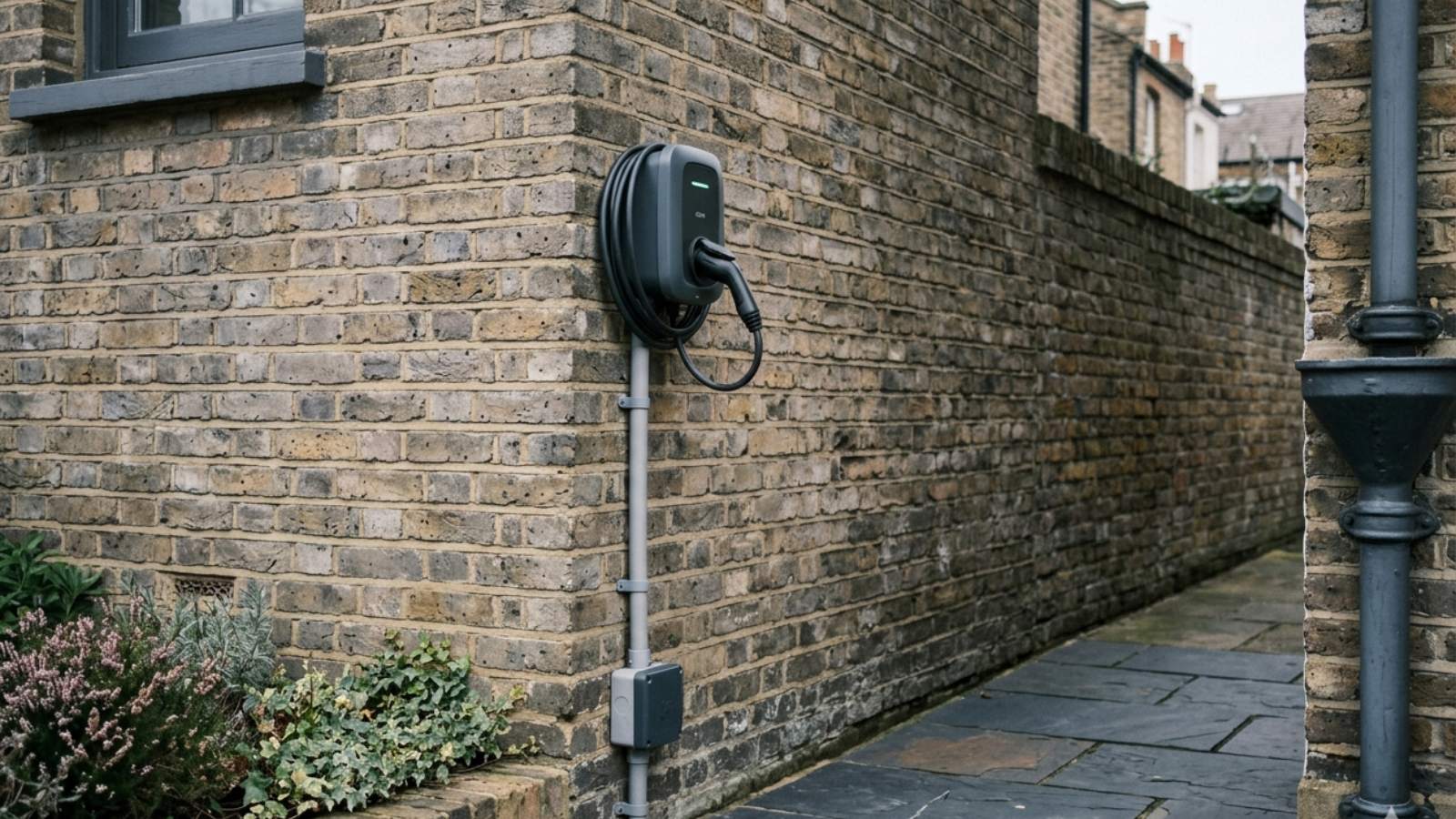
 FIG. 01 / HERO PHOTOGRAPHY — INSTALL DETAIL, EXTERIOR WALL
 The £800–£1,500 quote you’ve been given for a home EV charger install is probably about right. The difference between a good quote and a bad one isn’t the total. It’s whether each line item earns its place. This guide explains what’s standard, what’s a legitimate extra, what’s an upsell, and what the regs actually require, so you can tell the difference before the deposit goes down.
Most people buying their first home EV charger get three quotes and pick the middle one. That’s a reasonable default and a slightly expensive one. The quotes vary not because installers want to rip you off, but because EV charger installs touch four regulatory frameworks at once: Part P building regs, BS 7671 wiring regs (Section 722 for EVs), the Smart Charge Point Regulations 2021, and the Distribution Network Operator notification process. Some installers price the regs accurately. Some pad them. Some skip them. Knowing which is which is the difference between £900 and £1,500 for the same job.
We don’t sell installs and we don’t take referral fees, which means we can say things installers can’t. The 22kW you’ve been quoted on a single-phase home is impossible. The earth rod some installers add as a £200 line item is often unnecessary because your charger has the protection built in. The “consumer unit upgrade” framed as essential is sometimes just essential to the installer’s margin. This guide explains all of that, plus the things that are genuinely required and worth paying for.
What a UK home EV charger install actually involves
A standard home EV charger install is one day’s work for a qualified electrician, usually 3–5 hours. The work breaks into five parts.
First, the installer surveys your supply: where the consumer unit sits, where the meter is, what spare capacity exists, and what type of earthing arrangement your property has (almost always PME/TN-C-S in the UK). Second, they run a dedicated radial circuit from the consumer unit to the charger location, typically 6mm² SWA cable for outdoor runs, sized to the load and the distance. Third, they fit the protection: an RCBO (residual current breaker with overcurrent) sized for the charger, an SPD (surge protection device) where appropriate, and either an earth rod or a verified O-PEN detection feature in the charger to comply with BS 7671 Section 722.411.4.1. Fourth, they mount and commission the charger itself, then test the circuit and the protection devices. Fifth, they issue an Electrical Installation Certificate (EIC), notify the Distribution Network Operator (DNO), and register the work with their Competent Person Scheme (usually NICEIC or NAPIT).
The legal floor is non-negotiable. Every domestic EV charger install in England and Wales is notifiable work under Part P of the Building Regulations and must be carried out by a Part P-registered electrician. To qualify for the OZEV grant on top of that, the installer also needs OZEV approval. Scotland and Northern Ireland have parallel requirements. Whoever fits your charger should be able to show you their scheme membership in five seconds.
How much does EV charger installation cost in 2026?
A typical 2026 home EV charger installation costs £800–£1,500 fully fitted. The hardware accounts for £400–£900 of that and the labour £400–£600, with the variables coming from cable run length, consumer unit state, and whether your installer adds line items that aren’t strictly necessary.
- Labour + standard cable + commissioning
- £460-£720
- Charger on same wall as consumer unit
- —
- Standard cable run (5-10m, included in base)
- —
- Modern CU with spare way — single RCBO only
- —
Methodology: how we built this estimator
This is a range, not a quote. We’ve built it from publicly listed installer pricing (Smart Home Charge, Heatable, Octopus EV Install, Pod Point) and verified owner reports. Real quotes will vary. The estimator is here to tell you whether the quote in front of you is in the ballpark, not to replace one.
The headline figure isn’t the useful part. The breakdown is. Most installs cluster within £150 either side of £1,050 for a straightforward job: standard supply, modern consumer unit, cable run under 10m, on-driveway, charger with built-in O-PEN protection. Move any one of those variables and the price moves with it.
What’s in a standard install quote
A standard install quote on a typical UK domestic property should cover:
- Supply and fitting of the charger unit on the agreed mounting location
- A new dedicated radial circuit from the consumer unit (or sub-board) to the charger, including labour and cable up to 10–15m
- An RCBO of the correct type for the charger (Type A or Type B depending on the charger; most modern smart chargers require Type A)
- An SPD on the new circuit where the installation context calls for it (BS 7671 recommends rather than mandates SPDs on domestic EV circuits)
- Earth bonding tested at the meter and at the charger location
- Pre-installation electrical survey and load calculation
- DNO notification (free; handled by the installer through the Energy Networks Association’s online portal)
- Testing, commissioning, and issue of an Electrical Installation Certificate
- Building Regulations Compliance Certificate via the installer’s Competent Person Scheme
- Setting up the charger on your home Wi-Fi and registering it on the manufacturer app
If you see line items beyond the list above, the next section is where to look.
Where the extras come from (and which are legitimate)
This is the section installer marketing doesn’t write because it can’t. Some extras are genuinely required by the regs or the property. Some are upsells. Knowing which is which is most of the value of getting three quotes.
Cable run beyond standard length
Usually legitimate. Standard quotes include 10–15m of cable. Long runs from the consumer unit to the charger location add real labour and material cost: £20–£30 per additional metre is normal. If your meter is at the front of a long terrace and the driveway is at the back, you’ll pay this. There’s no way around it.
What to watch for: an installer quoting at £40+ per metre, or refusing to itemise the cable run separately from labour. Either suggests they’re using length as a margin lever rather than a cost passthrough.
Earth rod or PEN fault detection device
Sometimes legitimate, sometimes not. This is the regs item that gets bundled into quotes most often without explanation, so it’s worth understanding.
BS 7671:2018+A2:2022 Regulation 722.411.4.1 requires additional protection on any EV charger installed outdoors (or in a garage accessible from outside) on a PME supply, which covers about 95% of UK homes. The reason is genuine: if the supply’s protective-earth-and-neutral conductor breaks while the car is charging, the vehicle body can rise to mains voltage and electrocute anyone touching it. The regs offer three compliant options:
- Convert the EV circuit to TT earthing using an earth rod that achieves ≤15Ω resistance (measured by the installer)
- Fit an external PEN fault detection device upstream of the charger
- Use a charger with verified built-in O-PEN detection (the manufacturer’s compliance documentation must specifically addresses Section 722)
Every major smart charger on the UK market in 2026 (Ohme Home Pro, Hypervolt Home 3 Pro, Zappi GLO, Andersen A3, Easee One, Indra Smart Pro) has built-in O-PEN detection that satisfies the regs. If you’re installing one of these, you don’t need an earth rod or an external detection device. Some installers still add one as a £100–£200 line item. Ask them to confirm in writing that the charger has built-in O-PEN protection and whether the additional device is required for compliance. If they can’t justify it, it shouldn’t be on your quote.
If you’re installing a cheaper charger without built-in protection, an earth rod is a legitimate cost. £100–£200 is normal. Site permitting: driveways without accessible soft ground may require a different approach.
Consumer unit upgrade
Sometimes legitimate, often not. This is the line item most likely to be padding.
A new EV charger needs a dedicated RCBO at the consumer unit. If your existing consumer unit is modern (post-2008, with RCD protection and spare ways), the correct compliant install adds a single RCBO into a spare slot. That’s not an upgrade. That’s a standard radial circuit and should be included in the labour line.
A genuine consumer unit upgrade is required when the existing unit is:
- A Wylex stab-lock or wire-fuse board (pre-1990s technology, no RCD protection)
- Full with no spare ways and no clean way to add a sub-board
- Damaged or non-compliant with current Part P requirements
- Missing main bonding to incoming services
In those cases, expect £400–£700 for a full consumer unit replacement, or £150–£300 for a sub-board feeding the EV circuit only, usually the cheaper and tidier option.
If an installer is quoting a full consumer unit upgrade as a default line item without surveying your existing unit, that’s an upsell. Get a second quote.
The 22kW myth
Always a red flag on a domestic install. 22kW AC charging requires a three-phase supply. The vast majority of UK homes are single-phase, which physically caps domestic charging at 7.4kW. Upgrading from single-phase to three-phase requires the DNO to install a new supply, costs £3,000–£15,000 depending on the location, and is rarely worth it: a 7.4kW charger on a smart tariff overnight gives you a full battery by morning, which is the only thing that matters.
Any installer quoting 22kW on a single-phase domestic supply doesn’t understand what they’re selling. Walk away and find another. There are circumstances where three-phase is already installed (some larger detached properties, some converted commercial premises, properties with three-phase solar inverters), and there 22kW makes sense. The cars themselves are another question. Most mainstream EVs accept 11kW AC at best, so 22kW is theoretical capacity rather than realised speed.
Surge protection beyond regs requirement, warranty extensions, “premium” cable, commissioning fees, Wi-Fi setup
These are upsells, all of them. SPDs on a domestic EV circuit are recommended in BS 7671 but not mandatory; if it’s on your quote, you’re paying for prudence not legality, which is fine if priced fairly (£40–£80) and not fine at £150. Warranty extensions are profit. “Premium” cable is the standard cable with a label. Commissioning fees should be included in the labour line. Wi-Fi setup takes 90 seconds and you can do it yourself.
If your quote includes more than one of these as separate line items, you’ve found the installer’s margin.
Grants and help with the cost
UK grant eligibility for EV charger installation changed materially on 1 April 2026. Three schemes are active until at least 31 March 2027.
EV Chargepoint Grant for renters and flat owners
Up to £500 per socket (was £350 before April 2026), covering 75% of the cost to buy and install a charger. Available to:
- Anyone renting any residential property with dedicated off-street parking, with landlord permission
- Homeowner-occupiers of flats with dedicated off-street parking
- One claim per eligible vehicle per household
Your OZEV-approved installer claims the grant on your behalf and deducts it from your final invoice. Apply through gov.uk before the work starts. If your installer tells you the grant is “too much paperwork” or wants you to apply yourself, find a different installer.
EV Chargepoint Grant for households with on-street parking
Up to £500 per socket, launched 1 April 2026. For households with no driveway or off-street parking who install a cross-pavement charging solution alongside the charger. The cross-pavement solution is the cable channel set flush into the pavement: Charge Gully, Gul-e, Kerbo Charge, and Pavecross are the main British Standard-approved suppliers.
Two conditions worth knowing. First, you need permission from your local highways authority before installation; this varies by council and isn’t always granted. Second, the grant doesn’t give you a reserved parking space. If you’re on a busy terraced street where parking is shared, the gully is only useful when you can park close enough for the cable to reach. About half of UK councils were offering or trialling cross-pavement schemes by the end of 2026, so coverage is improving but patchy.
Landlord chargepoint grant
£500 per socket, up to 200 sockets per financial year, capped at £100,000 per landlord. For private landlords installing chargers at residential properties they let. The economics now make sense: the cost of a single fitted charger is roughly two months’ rent in most markets, and EV-ready listings increasingly filter higher on Rightmove.
Workplace Charging Scheme
For businesses: £500 per socket, up to 40 sockets, maximum £20,000 per business (up from £14,000 before April 2026). Worth raising with your employer if your company is considering workplace charging; it’s currently the most generous OZEV scheme.
Scotland-specific funding
The Energy Saving Trust runs a Domestic Chargepoint Funding scheme for Scottish residents in rural or remote areas, offering up to £400 towards installation. The fund is first-come-first-served and tends to close mid-year when funding is exhausted. The 2026/27 fund opens later in 2026. There’s also an interest-free Used EV Loan of up to £23,000 for Scottish residents buying a used electric car, repayable over six years. Relevant context for total ownership cost rather than for the install itself.
What no longer exists
The OZEV grant for owner-occupier homeowners with private driveways was scrapped in March 2022. If you’re in a standard semi-detached or detached house and you own it, you pay full price. We’re not going to pretend otherwise. The economics of EV ownership still work; a smart tariff plus home charging beats petrol by a large margin. But the upfront grant isn’t part of the equation for most homeowners any more.
What to ask the installer before signing
Three quotes, three conversations, ten questions. This is the checklist we’d take to each one.
-
Are you OZEV-approved? Required if you want to claim any of the grants above. The installer should be on the OZEV-approved list on gov.uk.
-
Which Competent Person Scheme are you registered with? NICEIC, NAPIT, ECA, or ELECSA (now Certsure). Self-certification under Part P depends on this.
-
Will you handle the DNO notification, and is it included? Free for the installer, takes about five minutes via the Energy Networks Association portal, due within one month of install (or before, if maximum demand exceeds 13.8kVA). If they’re charging for it separately, that’s an upsell.
-
Does the charger have built-in O-PEN protection, or are you adding an earth rod / external device? If the latter, ask them to point to the manufacturer’s compliance documentation or the regulation that requires it. Most modern smart chargers don’t need an external device.
-
What’s included in the standard cable run, and what’s the rate beyond that? £20–£30 per additional metre over 15m is normal. Higher than that, get a second opinion.
-
What’s the state of my consumer unit? Does it need an upgrade, or just a new RCBO? If they say “upgrade” without specifying why, ask them to describe what’s wrong with the existing unit. “It’s old” is not a reason.
-
What protection devices are included, and what are optional extras? Type A or Type B RCBO is mandatory. SPD is recommended in BS 7671 but not legally required on a domestic install. Anything else is optional.
-
Will you issue an Electrical Installation Certificate and a Building Regs Compliance Certificate on the day? Both should arrive with the installer (or by post within a few days). Keep them; they’re needed when you sell the house.
-
What warranty covers the charger and the install? Who do I call if it fails? The charger warranty comes from the manufacturer (typically 3–7 years). The installation work should carry a separate workmanship warranty from the installer.
-
Will you set the charger up on my home Wi-Fi and register it on the manufacturer app? Sometimes included, sometimes not. Either is fine. It’s not difficult to do yourself, but it’s not a justifiable extra line item.
We wrote this checklist because the installer can’t. Every question above surfaces something a salesperson is incentivised to keep quiet about. None of them are confrontational; most installers will appreciate that you’ve done your reading.
Installation day: what to expect
A standard fit takes 3–5 hours. Two-person teams move faster; solo installers move slower. The order roughly follows the sequence we described at the start of this guide.
Before the installer arrives, do three things. Clear access to the consumer unit (move whatever is in front of it). Photograph anything you don’t want to discover damaged afterwards. Confirm the charger position on the wall, ideally with chalk or masking tape. Once the cable’s in, moving the mount is expensive.
On the day, expect drilling. The cable usually enters the property near the meter, runs through internal walls or floor cavities to the consumer unit, then exits the property near the charger location. Capable installers route cables tidily and patch holes properly; rushed ones leave visible scars. If you’re house-proud, mention this at the survey stage and check the installer’s portfolio for finish quality.
When the work is complete, the installer should:
- Energise the circuit and run through the protection tests in front of you
- Walk you through the charger’s commissioning steps on the manufacturer app
- Hand you the Electrical Installation Certificate (or confirm it’ll arrive by post)
- Submit the DNO notification and the Competent Person Scheme registration
The Building Regulations Compliance Certificate arrives separately, usually within 30 days, posted by the Competent Person Scheme. Keep it. When you eventually sell the house, your conveyancer will ask for it.
Which charger should you install?
Outside the scope of this guide; we cover it properly in the JustWatt guide to the best home EV chargers UK 2026. The shorthand: most UK households are well served by a 7.4kW smart charger with native tariff integration and built-in O-PEN protection. Ohme Home Pro, Hypervolt Home 3 Pro, Zappi GLO, Indra Smart Pro, Easee One, and Andersen A3 are the six units we recommend for different situations.
The installation considerations worth flagging at this stage:
- Tethered vs untethered. Tethered units come with the cable permanently attached and are cheaper to live with day-to-day. Untethered units use a separate Type 2 cable; tidier on the wall, more flexible if you change vehicles. Most installers can fit either.
- Cable length. Standard tethered cables are 5m. Most manufacturers offer 7m, 8m, or 10m options for an extra £40–£100. Measure the distance from the wall to where the charge port sits on your car before ordering.
- O-PEN protection built in. Confirm with the manufacturer. All six chargers we recommend have it. A handful of cheaper imports don’t, which adds £100–£200 to the install.
- Type A or Type B RCBO. Most modern smart chargers have built-in DC fault detection that allows a Type A RCBO upstream. Some older or cheaper units require a Type B RCBO at the consumer unit, which adds £80–£150. Confirm before signing.
Common pitfalls and how to avoid them
Five problems come up repeatedly in owner reports.
The quote-vs-survey gap. Online quotes from manufacturer-direct installers (Ohme, Andersen, Pod Point) are based on photos and a questionnaire. The on-site survey can reveal extras the photos missed: full consumer units, longer cable runs, awkward wall construction. Read the quote’s small print on what’s included and what triggers additional charges before you pay the deposit.
Deposit terms. Most installers ask for £100–£250 on booking and the balance on completion. Some ask for the full amount up-front. Pay by credit card if possible. Section 75 of the Consumer Credit Act covers you if the installer fails to deliver. Check the cancellation terms: 14-day cooling-off is your statutory right under the Consumer Contracts Regulations 2013, but some installers charge survey or admin fees if you cancel after the survey.
Scope creep on the day. The installer arrives, finds something unexpected (a damaged consumer unit, no spare way, asbestos in a wall cavity), and quotes an on-the-spot extra. This isn’t always cynical (some surprises are genuine), but the price you’re quoted on the day will not be the keenest price you could get for that extra. If the extra is more than £100, ask the installer to pause, get a written quote, and consider a second opinion before committing.
Certificate delays. Some installers are slow to submit the Building Regulations Compliance Certificate to their Competent Person Scheme. If you don’t have the certificate within 30 days, chase. You’ll need it on resale; conveyancers ask for it as part of property paperwork.
Post-install support failures. If the charger develops a fault three months in, who answers? Some installers offer a workmanship warranty separate from the manufacturer’s product warranty; some don’t. Ask explicitly before signing. Manufacturer-direct installs (Ohme, Andersen, Hypervolt via Heatable) bundle this. Independent installers usually offer their own warranty; quality varies.
Sources
- gov.uk: EV chargepoint grant for renters and flat owners (£500 from April 2026)
- gov.uk: EV chargepoint grant for households with on-street parking
- gov.uk: Workplace Charging Scheme
- gov.uk: Electric Vehicles (Smart Charge Points) Regulations 2021
- IET: BS 7671:2018+A2:2022 (Wiring Regulations)
- Energy Networks Association: EV charge point notification
- NICEIC: EV charger installation
- Energy Saving Trust Scotland: Domestic chargepoint funding
Frequently asked.
Can I install an EV charger myself?
No. Domestic EV charger installation is notifiable work under Part P of the Building Regulations and must be carried out by a Part P-registered electrician. Self-installation invalidates the manufacturer warranty, may invalidate your home insurance, and won't qualify for the OZEV grant. The penalties for non-compliance with Part P are also material: local authority enforcement notices, costly retrospective certification, and potential issues at resale.
Do I need an earth rod?
Probably not, if you're installing one of the major modern smart chargers. BS 7671:2018+A2:2022 Section 722.411.4.1 requires protection against PEN fault on PME supplies, and all six chargers we recommend (Ohme, Hypervolt, Zappi, Andersen, Easee, Indra) have this built in. If your installer is quoting an earth rod or external O-PEN detection device on top, ask them to confirm in writing whether the charger already has compliant built-in protection.
How long does installation take?
A standard install on a typical UK home takes 3-5 hours from arrival to handover. Complex installs (older properties needing consumer unit upgrades, long cable runs through multiple walls, three-phase upgrades) can take a full day or longer. The installer should give you an estimate at the survey stage.
Can I get a 22kW charger at home?
Almost certainly not. 22kW AC charging requires a three-phase supply. About 95% of UK homes are single-phase, which physically limits domestic charging to 7.4kW. Upgrading to three-phase costs £3,000-£15,000 and saves about three hours overnight, which doesn't matter because you were asleep. Any installer quoting 22kW on a single-phase domestic property has misread the brief.
What grants are still available?
Three OZEV grants are active until at least 31 March 2027: the EV Chargepoint Grant for renters and flat owners (£500), the new on-street parking grant for households without driveways (£500, with a cross-pavement solution), and the landlord grant (£500 per socket, up to 200 sockets per financial year). Owner-occupier homeowners with private driveways are not eligible; they were removed from the scheme in March 2022. Scottish residents in rural areas may also qualify for up to £400 from the Energy Saving Trust's domestic chargepoint funding.
Does my consumer unit need upgrading?
It depends on what you have. A modern (post-2008) consumer unit with spare ways needs no upgrade. The installer adds a single RCBO for the new circuit. An older Wylex stab-lock board, a unit with no RCD protection, or a fully populated modern board may need a full upgrade (£400-£700) or a sub-board feeding the EV circuit only (£150-£300). If an installer quotes a consumer unit upgrade without inspecting the existing board, that's a flag.
Do I need permission from my electricity supplier?
No, your supplier is separate from your DNO. The DNO is the company that owns the cables in your street, varying by region (Northern Powergrid, UK Power Networks, SP Energy Networks, etc.) The DNO must be notified of every new EV charger install. This is free, the installer handles it, and it's a five-minute submission via the Energy Networks Association's online portal. You don't need permission for a standard 7.4kW install on a typical supply; you do need pre-approval for installs where the property's maximum demand exceeds 13.8kVA.
What if I rent or live in a flat?
You're more likely to qualify for the OZEV grant than a homeowner. You'll need written permission from your landlord (for renters) or your freeholder or managing agent (for flat owners). The permission must name you and the property address, and confirm that the installation is authorised. Most landlords agree readily; EV-ready properties rent for more. Most freeholders need persuading; offering to handle the paperwork and use a reputable installer helps.
How long is the typical warranty?
Three years from the manufacturer is the floor for any reputable charger; some offer five (Pod Point, Wallbox Pulsar Max, Hypervolt with the £100 extension) and one offers seven (Andersen). The installer's workmanship warranty is separate, typically 12-24 months, covering installation defects rather than the charger itself. Both warranties matter; both should be in writing before you sign.
Do I need a smart meter to use a cheap-rate EV tariff?
For most cheap-rate EV tariffs, yes. Octopus Intelligent Go, OVO Charge Anytime, British Gas Electric Driver, EDF GoElectric, and E.ON Next Drive all require a SMETS2 smart meter installed and communicating. Smart meter installation is free, done by your energy supplier, and unrelated to the EV charger install itself, though it's worth booking the smart meter ahead of the charger so the tariff is ready to use on day one.
Sources: Editorial methodology documented at /methodology/.
No money changed hands. No brand reviewed paid us or saw this article before publication. Full methodology.
Corrections: if we got something wrong, tell us and we'll fix it in public, dated and signed. Last updated 27 May 2026.