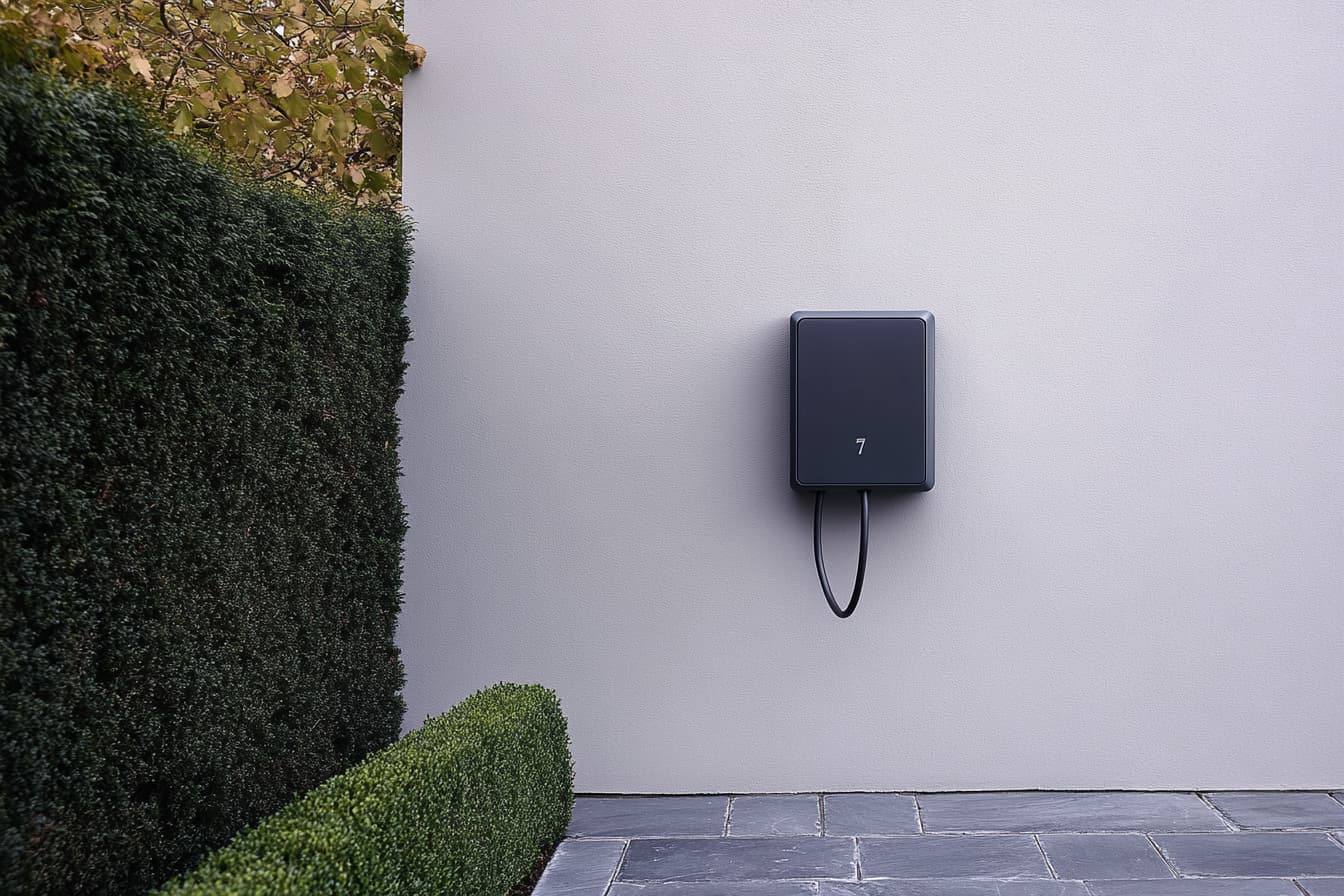
 FIG. 01 / HERO PHOTOGRAPHY — INSTALL SHOT, GARDEN WALL, DIFFUSED DAYLIGHT
 Sixty-plus home EV chargers are on sale in the UK. Most are fine, a handful are excellent, and a few are quietly bad. Here’s how to tell them apart, and what to actually pay, from a small team that doesn’t sell or fit chargers and never lets commission pick the winners.
Picking a home EV charger is the closest most people get to buying a small appliance that will outlive their car. The unit you fit today will be on your wall in 2031, still pulling cheap electrons at three in the morning, long after you’ve changed energy supplier twice and replaced the car once. So the brand matters. The features matter. And being on a charger that talks properly to your tariff matters more than any spec sheet suggests.
This piece is the JustWatt take on what to buy in 2026. We’ve narrowed sixty-plus units down to six picks for six common situations, plus three we considered and rejected with the reasons why. We don’t sell chargers or install them. We earn commission on some of the links here and nothing on others, and we say which is which. The recommendations are what we’d put on our own walls, never chosen for the fee. Where we have an affiliate link we say so. Where we don’t, we’ll still tell you which one we’d buy.
What to actually look for in a 2026 charger
Most charger comparison guides drown you in spec-sheet detail that doesn’t matter day to day. Here are the five things that genuinely change how a charger feels to live with, and the ones we’d ignore.
Tariff integration
This is the single biggest variable in your running costs and the one most easily overlooked. A charger that integrates natively with a smart tariff like Octopus Intelligent Go, OVO Charge Anytime or British Gas Electric Driver will negotiate cheap-rate slots automatically, often beyond the standard six-hour off-peak window. A charger that just lets you set a manual schedule will not. The difference over a year of typical mileage is £100–£200.
Solar diverter
Only matters if you have solar panels. If you do, it matters a lot. A proper solar diverter monitors what your panels are exporting and sends the surplus to the car instead of the grid, where you’d otherwise be paid a third of what the electricity costs to buy back later. If you don’t have solar and aren’t planning to, ignore this category.
Load balancing
Almost everyone needs this and most modern chargers include it. Dynamic load balancing means the charger throttles itself when the rest of the house is drawing power, so you don’t trip the main fuse running the oven and the EV at the same time. Confirm it’s included and move on.
App quality
Worth more than people give it credit for. You’ll use the app every week for the next five years. The good ones (Ohme, Hypervolt, Indra) feel like something you’d choose to use. The dated ones (Pod Point, EO) feel like something a utility built in 2019 and stopped updating. Read the App Store reviews before you commit.
Warranty and the company behind it
Three years is the floor. Five years is good. Seven (Andersen) is exceptional. More important than the headline number: is the manufacturer likely to be answering the phone in 2031? UK-based companies with active install bases (Hypervolt, Indra, myenergi, Ohme, Pod Point) are safer bets than smaller imports.
What you can ignore in 2026
22kW charging. Almost no UK home has the three-phase supply required, and upgrading to three-phase costs £3,000–£15,000. 7.4kW adds 25–30 miles of range per hour, which means a typical overnight charge tops up roughly 200 miles. That’s enough.
Vehicle-to-grid (V2G) and vehicle-to-home (V2H). Genuinely interesting, not yet a buying criterion. The compatible-car list is short, the tariffs that pay you for it are immature, and any charger you buy in 2026 will likely be replaced before V2G goes mainstream. If you’re a Nissan Leaf owner specifically curious, Indra has the clearest upgrade path. Otherwise, park it.
Decorative finishes. If looks matter to you, the Andersen later in this list earns its premium. Don’t pay £300 extra on any other unit for a “premium” finish that doesn’t change how it works.
Most people are fine with a 7.4kW untethered smart charger from a manufacturer that’s still in business. The cheap-rate tariff matters more than the charger.
Our six picks for 2026
We’ve ordered these by who they’re for, not by price or our ranking. The right charger for you depends entirely on your situation. Read the “best for” lines first.
1. Ohme Home Pro: best overall
Best for: Most UK households on a smart tariff, especially Octopus Intelligent Go customers who want set-and-forget cheap-rate charging.
Price: From £999 installed direct from Ohme. £900–£1,200 through independent installers.
The Ohme Home Pro is the default answer if you don’t have a more specific reason to pick something else. It’s a 7.4kW tethered unit with a colour LCD screen on the front, a built-in 4G SIM that means it doesn’t depend on your home Wi-Fi, and the deepest tariff integration of any charger on the UK market.
The tariff angle is the whole argument. The Ohme talks directly to Octopus, OVO and British Gas via their APIs. On Octopus Intelligent Go it negotiates extra cheap-rate slots beyond the standard 11:30pm-5:30am window. On Octopus Agile it reads tomorrow’s half-hourly prices and books the cheapest overnight. No other charger in this list does either automatically. Set the departure time and target charge percentage; the unit does the rest.
What’s good: Best-in-class tariff integration. Solid, no-nonsense app. Built-in 4G makes connectivity a non-issue. Eligible for the £500 OZEV grant if you’re a renter or flat owner. Multi-car support added in March 2025 (a long-overdue fix).
What’s annoying: The standard 5m cable is shorter than most rivals; the 8m option is an extra £80. IP54 weatherproofing is fine but not exceptional. The styling is functional rather than handsome.
Verdict: If you’re on Octopus or planning to switch, buy this. If not, the Hypervolt below is the more flexible alternative.
Check current price on Ohme2. myenergi Zappi GLO: best for solar households
Best for: Homeowners with solar panels who want to charge the car from surplus generation instead of exporting it for 15p/kWh.
Price: From £599 unit-only (£779 RRP), £1,000–£1,300 installed.
The Zappi has been the default solar EV charger since 2018. The new GLO, released June 2025, is myenergi’s first proper aesthetic refresh of the platform: it loses the LCD screen of the old Zappi 2.1, gains an RFID tap-to-charge “Halo,” and slims down considerably. The solar logic is unchanged, which is the point.
In Eco+ mode the GLO charges only from surplus solar, pausing when a cloud passes over. Eco mode tops up from the grid when solar dips. Fast mode ignores solar and pulls full power. No competitor matches this level of control. The GLO also pairs with the wider myenergi ecosystem: an eddi diverts surplus to the hot-water tank, a libbi stores daytime solar for overnight car charging. If you’re building a whole-home energy setup, this is the strongest UK platform.
What’s good: Genuinely class-leading solar diversion. Quiet, fast charging. UK-made in Lincolnshire. Integrates with eddi and libbi for whole-home energy management. New Gridpay scheme in 2026 pays for off-peak grid-friendly charging.
What’s annoying: Scheduling is via the myenergi app, which is functional but feels a step behind Hypervolt or Ohme. No live API connection to Octopus, so no half-hourly Agile chase. Tethered-only at launch (no untethered version yet). The premium over a non-solar charger is £200–£400 you’ll only earn back if you have panels.
Verdict: If you have solar, buy this. If you don’t, you’re paying for capability you won’t use; pick the Ohme or Hypervolt instead.
Check current price on myenergi3. Indra Smart Pro: best on a budget
Best for: Anyone wanting Ohme-class smart tariff features for less, especially OVO Energy customers.
Price: £499 unit-only, from £899 installed.
Indra is the British-built underdog of the UK home charger market. Founded in 2013, part-owned by OVO Energy, assembled in Malvern. The Smart Pro is a 7.4kW smart charger that punches above its weight: native API integration with Octopus Intelligent Go and OVO Charge Anytime, solar surplus matching via included CT clamp, RFID lock for shared driveways, and a Surge Protection Device included as standard (saving £100–£150 on most installs).
The effective installed cost lands closer to £750–£800 once you account for the SPD that other manufacturers charge extra for. That puts the Smart Pro within £100 of the cheapest credible smart chargers while offering features the others don’t.
What’s good: Excellent value. Native Octopus and OVO API integration. SPD and CT clamp included as standard. UK-built with active development. V2H upgrade path (uncommon under £500). Compatible with over a dozen smart tariffs.
What’s annoying: Less polished branding and marketing than Ohme or Hypervolt means lower brand recognition; some installers default to suggesting more familiar names. The app is good but not best-in-class. No live Octopus Agile half-hour chase.
Verdict: The most underrated charger on this list. If you want maximum capability per pound, buy this.
Check current price on Indra4. Hypervolt Home 3 Pro: best UK-made all-rounder
Best for: Buyers who want the strongest build quality, the longest cable option, and a credible alternative to the Ohme without losing tariff integration.
Price: From £1,050 installed via Hypervolt’s partner network. £1,100–£1,400 through independent installers depending on cable length.
Hypervolt designs and manufactures in Rainham, Essex. The Home 3 Pro is the company’s flagship and the charger we’d buy if we couldn’t have an Ohme. IP66 and IK10 ratings mean it’s built tougher than anything else on this list. The 10m cable option is unique in the UK market, useful when the consumer unit and the parking spot aren’t on the same wall. Three colour options, a polished app, native Octopus Intelligent Go integration, and an optional £100 upgrade to a five-year warranty.
What it doesn’t do is chase Octopus Agile half-hourly prices the way the Ohme does. For most households on a fixed two-rate tariff this isn’t a limitation. If you’re on Agile, the Ohme is the smarter buy. For everyone else, the Hypervolt is the more flexible long-term choice.
What’s good: Build quality genuinely above the market average. Best app in the price range. 10m cable option. Native Octopus IG, OVO and other tariff support. UK-based phone support that actually answers. Trustpilot 4.8/5 from 2,400+ reviews.
What’s annoying: No Octopus Agile half-hour chase. Solar diversion is functional but not as deep as the Zappi. Cable starts to coil with frequent use (a Hypervolt quirk; uncoiling fixes it). Sits about £50 over the Ohme on like-for-like installs.
Verdict: The right answer when you can’t decide. Strongest combination of build, app, support and tariff integration on the UK market in 2026.
Check current price on Hypervolt5. Easee One: best for multi-EV or shared circuits
Best for: Households with two EVs, shared driveways with neighbours, or properties where multiple chargers will share a single fuse.
Price: £405–£630 unit-only, £900–£1,000 installed.
The Easee One is the Norwegian dark horse of the UK market. At 1.5kg it’s the lightest unit on this list and one of the only chargers that lets you daisy-chain up to three units on a single fuse, with power distributed dynamically. For a two-EV household with limited fuse capacity, this is genuinely useful. For a shared driveway, it’s the simplest way to add charging without separate supply upgrades.
The Easee includes built-in PEN fault protection (no separate earth rod needed) and a lifetime 4G eSIM at no ongoing cost. It runs tethered or untethered out of the box. The app is functional. Solar charging requires the optional Easee Equalizer accessory (£200 extra).
Worth flagging: Easee had a regulatory issue with Swedish authorities in 2023 over local electrical standards. The fixes have rolled out, the company is active, UK installs continue. But if long-term company stability is your priority, Indra or Hypervolt are safer bets.
What’s good: Three-on-one-fuse daisy-chain is unique. Smallest footprint on the market. Lifetime 4G included. PEN protection built in.
What’s annoying: Solar requires a £200 add-on. App is functional rather than excellent. The 2023 Swedish regulatory episode is a footnote, not a deal-breaker, but worth knowing.
Verdict: Buy this if you’re charging two EVs at home, or if you’re sharing a circuit with a neighbour. Otherwise, the Indra or Hypervolt are more capable for similar money.
Check current price on Easee6. Andersen A3: best if looks matter more than features
Best for: Buyers for whom kerb appeal is a genuine purchase criterion, and who don’t need the deepest tariff integration.
Price: From £1,374 installed direct from Andersen.
The Andersen A3 is the only charger on this list bought primarily on aesthetics. UK-designed and built in Northamptonshire, it hides the cable inside the unit via a sprung compartment, and comes in 247 colour and finish combinations. The 7-year warranty is the longest of any mainstream UK home charger. The build is exceptional.
What you don’t get for the £400–£500 premium over the Hypervolt is meaningful additional capability. Tariff integration with Octopus Intelligent Go is present but not as deep as Ohme. The app does what it needs to. Solar diversion is basic. The 5.5m cable is shorter than the Hypervolt’s 10m option.
The A3 is a legitimate choice. If you’ve spent £200,000 on the front of your house, you might not want a white plastic box on it. That’s a real preference. Just be honest about why you’re paying the premium.
What’s good: Genuinely the best-looking home charger on the UK market. Hidden cable storage. 7-year warranty. UK-made with strong customer support.
What’s annoying: £300–£400 more than the Hypervolt for equivalent functional capability. Tariff integration is decent but not best-in-class. 5.5m cable is non-upgradeable.
Verdict: Buy this if aesthetics genuinely matter to you. Don’t buy this expecting smarter charging than the Ohme.
Check current price on AndersenWhat we didn’t pick (and why)
This is the section most charger comparison guides skip because they need to sell to everyone. Three units come up regularly in 2026 buyer research and aren’t on our list. Here’s why.
Pod Point Solo 3S
Why not: The hardware is fine. The 5-year warranty is competitive. Pod Point’s installation network is well-organised and the customer service is solid. But the Solo 3S has no native API integration with Octopus Intelligent Go, no on-unit display, and a 2.4GHz-only Wi-Fi connection that struggles in modern dual-band homes. The app is functional but feels like a 2019 product. At £999 installed for the 7kW version, you’re paying near-Ohme money for a charger that does less of what 2026 buyers actually want. Not bad. Just bested by the Ohme at the same price.
EO Mini Pro 3
Why not: Consistent multi-year reports of unresolved faults from owner forums and Trustpilot. The pattern: charger drops into a fault state overnight, requires a power-cycle to reset, and EO customer service takes weeks to respond if at all. Worse, EO has previously removed smart functionality from older Mini Pro 2 units without offering customers an upgrade path. Even if the hardware behaves, the company’s track record on supporting installed units is concerning. The Hive/British Gas bundle that pays back charging costs for a year is attractive in year one. In year three it isn’t.
Wallbox Pulsar Max
Why not: The Pulsar Max has good fundamentals: compact, IK10-rated, 5-year warranty, multiple colour options. The problem is software and support. No native Octopus Intelligent Go API. No solar divert. Customer service is based in Barcelona and Trustpilot reviews consistently flag slow response times on hardware issues. For similar money, the Hypervolt does more, is built in the UK, and answers the phone in about five seconds. Hard to make a case for the Wallbox unless you specifically want the compactness.
Installation, cost expectations and grants
A typical 2026 home EV charger installation costs £800–£1,500 fully fitted. The hardware is £400–£900, the labour is £400–£600, and the variables come from the bits in between.
What a “standard” install includes
A standard install assumes single-phase supply, a cable run of up to 10–15m from the consumer unit, a modern consumer unit with spare capacity, on-driveway mounting, and DNO notification (the installer handles this in 5 minutes; if they tell you it’ll take 2 months they’re being lazy).
If your consumer unit is older or full, budget £150–£300 for a sub-board. If your cable run exceeds 15m, budget £20–£30 per additional metre. Trenching adds £200–£500. A three-phase upgrade for 22kW charging is £3,000–£15,000 and almost never worth it; you don’t need 22kW.
Grants you can claim in 2026
The OZEV EV chargepoint grant rose from £350 to £500 per socket from 1 April 2026 and runs until at least 31 March 2027. It’s available to:
- Renters and flat owners (with dedicated off-street parking)
- Landlords installing chargers for tenants
- Households without driveways, where a cross-pavement charging solution is installed
Standard homeowners with private driveways are not eligible (they were removed from the scheme in 2022). The grant is claimed by your OZEV-approved installer on your behalf; you don’t fill in the forms.
The Workplace Charging Scheme for businesses rose to a maximum of £20,000 (40 sockets at £500 each) from April 2026. Worth knowing if you’re talking to your employer about workplace charging.
Scotland’s Energy Saving Trust grants and Welsh schemes operate separately; check eligibility on the relevant government site if you’re outside England.
Planning permission: you don’t need it
Since 29 May 2025, EV charger installations no longer require planning permission in England in almost all cases. Listed buildings and conservation-area properties still need checks, but for the vast majority of UK driveways the paperwork is gone. Average saving: about £258 in application fees, plus 4–8 weeks of waiting. The DNO notification and Part P registration still apply; your installer handles both.
Where we don’t recommend specific installers
JustWatt doesn’t take referral fees, so we don’t have a preferred-installer list. The honest advice: get three quotes from OZEV-approved installers, ask each what’s included, and ask about the extras above. Manufacturer-direct installs (Ohme, Andersen, Hypervolt via Heatable, Pod Point) bundle the work behind a single quote, which is simpler but rarely cheapest. Independent installers from the OZEV list will usually quote £100–£200 less.
Sources
- gov.uk: EV chargepoint grant for renters and flat owners
- gov.uk: Workplace Charging Scheme
- OZEV: changes to EV chargepoint grant schemes (April 2026)
- Department for Transport: planning permission changes (29 May 2025)
- Manufacturer specification pages: Ohme, myenergi, Indra, Hypervolt, Easee, Andersen
Frequently asked.
Do I need a 22kW charger?
Almost certainly not. UK homes are nearly all single-phase, which caps domestic charging at 7.4kW. Upgrading to three-phase to enable 22kW costs £3,000–£15,000 and saves you about three hours overnight, which doesn't matter because you were asleep anyway. Buy a 7.4kW unit.
Untethered or tethered: which is better?
Tethered is more convenient for daily use; the cable is always there. Untethered looks tidier and lets you use a different cable if you change to a Type 1 vehicle (rare in 2026). For most homes, tethered wins. The Easee and Indra are notable for offering both in the same unit.
Will my charger still work if I switch energy supplier?
Yes. Smart tariff integration is software-level; switching from Octopus to OVO requires you to disconnect the old API in the charger's app and connect the new one. The charger itself doesn't care.
Do I need a phone signal for the charger to work?
Most chargers connect via Wi-Fi. Some (Ohme, Easee) have a built-in 4G SIM as a backup or primary connection. If your home Wi-Fi is patchy near the parking spot, the 4G models are more reliable. Without any connection most chargers will still charge on a schedule you've set previously; you just lose remote control until connectivity returns.
Can I install it myself?
No. Domestic EV charger installation is notifiable work under Part P of the Building Regulations and must be carried out by a Part P-registered electrician. Most need to be OZEV-approved as well to qualify for the grant. Self-installation invalidates the warranty and may invalidate your home insurance.
What about a granny cable from a 3-pin socket?
A 3-pin granny charger adds about 2.3kW of charging speed, or roughly 8 miles of range per hour. It works for low-mileage drivers or as a temporary solution. It's slow, puts continuous load on a household socket not designed for sustained current, and doesn't qualify for smart tariff scheduling. Fine as a backup. Not a substitute for a proper home charger.
Sources: Methodology callout above; full process at /methodology/.
Corrections: if we got something wrong, tell us and we'll fix it in public, dated and signed. Last updated 25 May 2026.