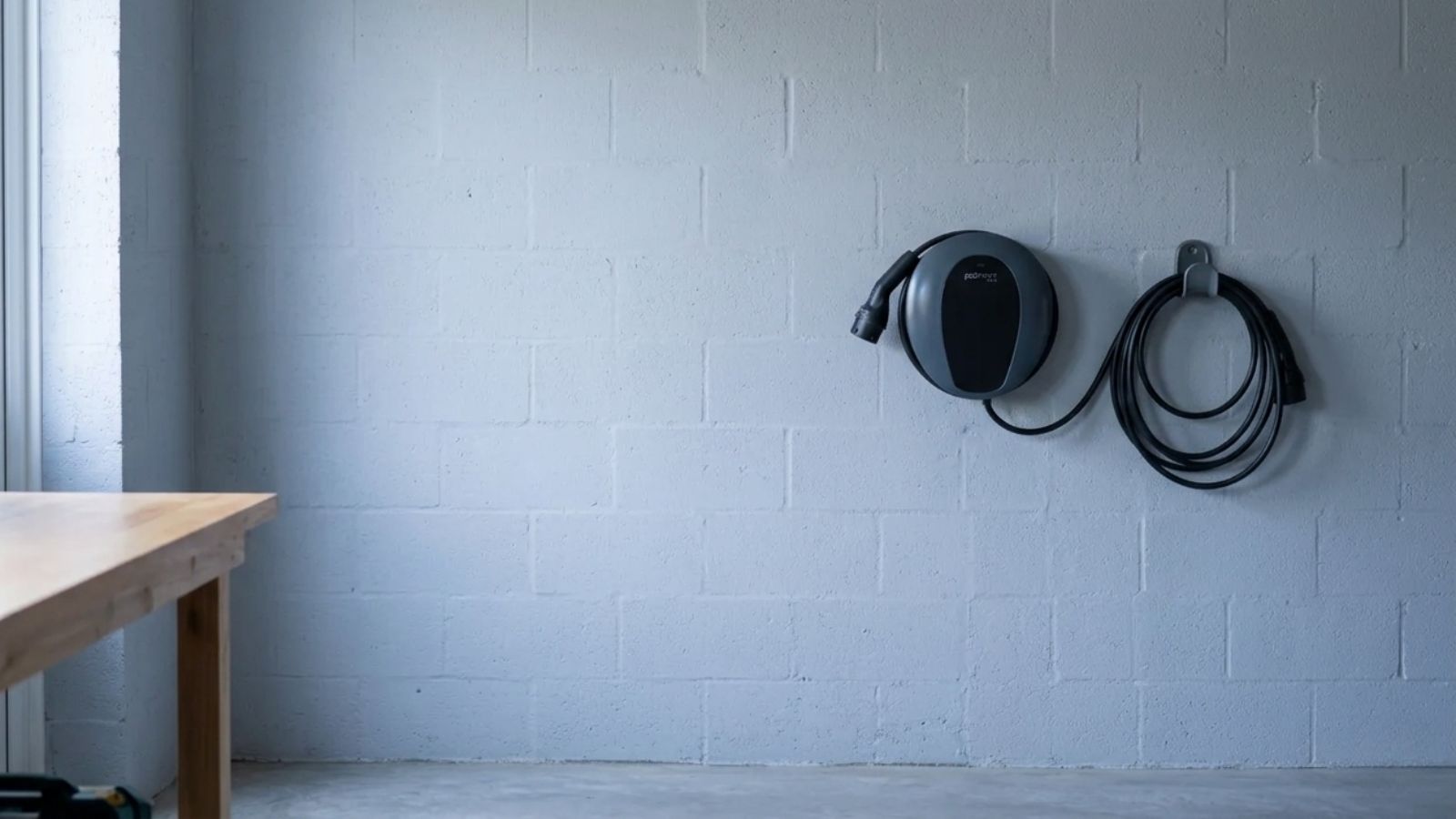
 FIG. 01 / HERO The Pod Point Solo 3S, the UK's most recognised home-charger brand
 The verdict
Pod Point is the charger most people name first, and that is exactly the problem with reviewing it. The name does a lot of the selling. An installer mentions it, a dealer bundles it, you have seen the units at Tesco, and the decision feels made before you have compared anything. So the only useful question we can answer is the one the brand’s own marketing will not: in 2026, is the default still the best buy?
The honest answer is no longer a clean yes. The Solo 3S is a reliable, well-supported charger from a company now owned outright by EDF, it carries a genuinely strong five-year warranty, it has finally added solar charging, and it plugs you into one of the largest public charging networks in the country. Those are real strengths. But on the two axes that increasingly decide a home-charger purchase, smart tariff integration and solar control, it has been overtaken. It schedules charging; it does not negotiate with your tariff the way an Ohme does, and its solar mode is cruder than a Zappi’s divert. You are paying a brand-and-ecosystem premium for middling smart features.
We rate it 4.0 out of 5: very good, dependable, and the safe pick for a particular kind of buyer, but clearly bettered on more than one thing that matters. Right for you if you value brand trust, the integrated home-and-public ecosystem, and EDF backing, and you do not need cutting-edge tariff or solar features. Wrong for you if you optimise your charging around a smart tariff (look at the Ohme Home Pro) or run solar panels you want to charge from properly (look at the Zappi).
We have not fitted a Solo 3S ourselves. This review synthesises Pod Point and EDF’s own documentation, consistent owner reports, and our hands-on review of the Ohme Home Pro plus our research review of the Zappi, the two chargers it competes against most directly. Where that limits what we can say with confidence, we say so.
Specs at a glance
In 2026 the Solo 3S spec sheet is unremarkable, and that is the first thing worth knowing. It charges at 7.4kW on a single-phase home supply, the same ceiling as almost every rival, adding roughly 25 to 30 miles of range an hour. It comes untethered (a universal Type 2 socket you bring your own cable to) or tethered (a fixed 5m Type 2 lead). It has app control, over-the-air updates, built-in load management, and the PME and earth-fault protection that means no separate earthing rod on most installs, which keeps a standard fit simpler and cheaper. There is a 3.6kW option for constrained supplies and a 22kW three-phase configuration for the roughly 5% of UK homes with three-phase power, set at install. Build quality is reassuringly solid, with an IP54 enclosure and an IK10 impact rating, and it will run in everything from a Scottish winter to a heatwave.
One spec gap is worth flagging early because it shapes the smart-charging story below: the Solo 3S is Wi-Fi only. There is no Ethernet option and no on-unit screen, so every smart feature runs through your home Wi-Fi and the phone app. That is fine in a house with solid coverage at the charger, and a nuisance in one without.
What you are actually buying, then, is not the hardware. It is the brand, the support, the warranty, and the ecosystem around it. Hold that thought, because it is the whole argument for the Solo 3S.
- Charging speed
- 7.4kW single-phase (3.6kW and 22kW three-phase configured at install)
- Connector
- Untethered universal Type 2 socket, or tethered 5m Type 2 cable
- Connectivity
- Wi-Fi (WPA/WPA2/WPA3), app control, over-the-air updates. No Ethernet option
- Smart charging
- App scheduling and solar modes; works with Octopus Go, not Intelligent Octopus Go
- Solar
- Solar-only and solar-plus-grid modes (1.4kW minimum to start a charge)
- Dimensions / weight
- 330 × 290 × 167mm untethered (3.5kg); 330 × 290 × 112mm tethered (6kg)
- Protection / ratings
- 6mA DC leakage detection, PME/PEN fault protection, IP54 enclosure, IK10
- Operating temperature
- -25°C to 40°C
- Warranty
- 5 years (charger and installation) on buy-outright; Lifetime on Pod Drive subscription
- Price
- From around £999 installed untethered, £1,049 tethered; surge protection +£100. Verify at checkout
- OZEV grant
- Eligible installer; the £500 grant applies only if you personally qualify (renter, flat owner)
The Pod ecosystem and its own public network
This is where the Solo 3S earns its keep, so we will be fair to it. Pod Point is not just a charger you bolt to a wall. It is the home end of an ecosystem, and the rest of that ecosystem is genuinely substantial.
First, the corporate footing. Pod Point rebranded simply to “Pod” in May 2025, and in August 2025 EDF, already the majority shareholder since 2020, completed a full buyout and took the company private. The standalone Pod Point had a rough few years financially, leaning heavily on EDF for support, so the takeover is best read as stability rather than drama: a charger backed by one of the UK’s largest energy companies is unlikely to leave you with orphaned hardware and a dead app, which is a real risk further down the market. If you are nervous about a charger brand still being around to honour a five-year warranty, EDF ownership is the reassurance.
Second, and more useful day to day, the public network. Pod runs one of the UK’s biggest public charging networks. By Zapmap’s independent count at the end of March 2026 it operated around 8,265 chargers across roughly 1,882 locations, which makes it the second-largest network in the country by charger count, behind Shell Recharge Ubitricity and ahead of Connected Kerb. Pod’s own figure is “over 9,000 bays.” Either way, it is large, and a Pod home charger and the public network share a single app: you start, stop and pay from the same place whether you are on your driveway or in a supermarket car park.
There is an honest caveat, and it matters for whether this ecosystem is worth a premium to you. Pod’s public network is overwhelmingly a destination network, the slower AC chargers you find at Tesco, Center Parcs, hotels and shopping centres, designed for topping up while you do something else. It is not a rapid en-route network like InstaVolt or Gridserve. So the “one app for home and public” pitch is real value if you regularly park where Pod operates, and close to irrelevant if your public charging is motorway rapids on long trips. Be honest with yourself about which describes you before you pay for the ecosystem.
The Solo 3S is the charger you buy when you have decided not to think too hard about chargers. That is a legitimate thing to want, and the ecosystem is what you are paying for.
Pod Drive: the value question most reviews skip
The biggest change to the Pod proposition is not the hardware, it is how you pay for it. Alongside buying a Solo 3S outright, Pod now offers Pod Drive, a subscription launched in 2025 and the first of its kind in UK home charging. It is worth understanding properly, because it is genuinely a trade-off rather than an obvious win or an obvious con.
Pod Drive costs £99 upfront and £40 a month on a 36-month term. For that you get a tethered Solo 3S installed, a surge protection device included (a £100 extra if you buy outright), a 48-hour service commitment, a warranty that lasts as long as your subscription, and cashback on up to 7,500 “smart-charged” miles a year. Pod values that mileage cashback at around £172.50 a year, though that figure is only realised if you actually drive and smart-charge that distance, so treat it as a ceiling rather than a guarantee.
Run the arithmetic and the two routes land close together. Over 36 months Pod Drive costs about £1,539 before any mileage cashback, against roughly £999 to £1,049 to buy outright. Net of three years of maximum cashback (around £517), the effective cost of Pod Drive falls to roughly £1,020, line-ball with buying the charger. What the subscription actually changes is the shape of the deal: a much lower upfront cost, surge protection and lifetime-of-subscription warranty thrown in, in exchange for a three-year commitment and an ongoing monthly bill. If upfront cost is the barrier, or you like the idea of warranty cover that never lapses while you pay, it is reasonable. If you would rather own the thing outright and be done, buying is cleaner and you are not locked in.
One thing we would want confirmed in writing before signing: what happens at the end of the 36 months. The headline benefits, the cashback and the lifetime warranty, are tied to holding the subscription, so the long-run picture depends on the post-term arrangement, and the published terms are worth reading line by line rather than taking from the marketing. As a rule, a subscription is the right call when it removes a genuine barrier (the upfront cost) and the wrong call when it is simply the path of least resistance.
| Buy outright | Pod Drive | |
|---|---|---|
| Upfront | From ~£999 (untethered) / ~£1,049 (tethered) | £99 |
| Monthly | £0 | £40 for 36 months |
| Total over 3 years | ~£999–£1,049 | ~£1,539 (before cashback) |
| Warranty | 5 years (charger and install) | Lifetime of subscription |
| Surge protection | +£100 | Included |
| Included miles cashback | None | Up to 7,500/yr (Pod values at ~£172.50/yr) |
| Lock-in | None | 36-month term |
| Suits | Buyers who want to own it and avoid monthly bills | Buyers prioritising low upfront cost and continuous warranty |
Pod Drive figures are the published launch terms; confirm current pricing and the post-term arrangement before signing.
Has the market moved? Pod Point vs Ohme vs Zappi
Here is the part the brand will not tell you. The Solo 3S is a perfectly good charger that has been quietly out-engineered on the features people increasingly buy a smart charger for.
Start with tariffs, because this is the big one. The cheapest way to run an EV is to let the charger and a smart tariff talk to each other and shuffle your charging into the cheapest half-hourly slots automatically. The Ohme Home Pro does this properly: it has deep, native integration with Intelligent Octopus Go and similar tariffs, handing dispatch control to the tariff so you genuinely set it and forget it. The Solo 3S does not. Pod’s own FAQ is admirably blunt about it: the charger works with Octopus Go and standard two-rate tariffs, but not with Intelligent Octopus Go or other dynamic smart tariffs. You schedule charging windows in the app yourself. For a lot of owners that is fine. For anyone who wants the tariff to do the optimising, it is a real gap, and it is the single clearest reason an informed buyer might pass.
On solar, the gap is narrower but still there. The Solo 3S now does solar, which it did not used to, and that closes a hole the Zappi spent years exploiting. It offers a solar-only mode and a solar-plus-grid mode, with a 1.4kW minimum before it will start a charge. But the Zappi’s surplus-power divert is more sophisticated: a configurable green-level slider, finer control over how much grid top-up you tolerate, the works. If solar self-consumption is central to why you are buying, the Zappi still does it better.
So what does the Solo 3S win on? Warranty, where its five years (and the subscription’s lifetime cover) beat the three years that Ohme and Zappi both offer. Brand trust and support, where Pod’s scale and EDF backing are genuine. And the ecosystem, the home-plus-public-network-in-one-app story that neither Ohme nor Zappi attempts. That is not nothing. It is just a different kind of value: reassurance and convenience rather than cleverness.
| Pod Point Solo 3S | Ohme Home Pro | Zappi v2.1 | |
|---|---|---|---|
| Smart tariff integration | Scheduling only; no IOG | Class-leading; native IOG dispatch | Good; eco modes, no IOG-grade depth |
| Solar control | Solar and solar-plus-grid modes | Basic | Best in class; configurable divert |
| Connectivity | Wi-Fi only | 4G cellular (no Wi-Fi needed) | Wi-Fi and Ethernet |
| Warranty | 5 years (Lifetime on Pod Drive) | 3 years | 3 years |
| Ecosystem | Own public network, one app, EDF | None notable | myenergi solar/battery ecosystem |
| Indicative price installed | ~£999–£1,049 | ~£999 | Varies; often ~£1,000+ |
| Our rating | 4.0/5 | 4.5/5 | 4.5/5 (for intended user) |
| Best for | Trust and ecosystem buyers | Tariff optimisers | Solar households |
Living with it: what owners report
We have not fitted a Solo 3S, so this section is a synthesis of consistent owner reports rather than our own bench time, and we will flag where the picture is mixed.
The strongest and most consistent theme is reliability and a smooth install. Pod’s standard installation is Which?-endorsed and included in the price, and the recurring owner verdict is that the fitting is painless and the unit simply works, day after day, which is the most important thing a charger can do. Support gets generally positive marks, helped by 24/7 availability, though as with any large operator you will find the occasional account of a slow resolution.
The app is the most divided topic. It does the basics well: scheduling, cost tracking, remote lock, charge history. But owners who have used an Ohme or a Zappi tend to describe it as functional rather than clever, and a generation behind on automation. It is Wi-Fi dependent for its smart features, and some owners on weaker home networks report drop-outs, though charging itself continues if the connection lapses. There is no screen on the unit, so you are reliant on the app for everything.
The most common physical gripe is size and looks. The Solo 3S is a chunky oval, noticeably bigger than the slimmest rivals, and a recurring owner comment is that it is more visible on a wall than they would like. Cosmetic, but worth knowing if your charger goes on a front elevation you care about.
A few smaller themes recur often enough to mention. Owners rate the scheduling as dependable once set, and the cost-tracking and charge history as useful for keeping an eye on spend, even if the automation behind them is basic. The tethered cable at 5m is long enough for most driveways but stiff in cold weather, a universal trait of tethered units rather than a Pod-specific fault. And because the unit leans entirely on the app, the experience is only as good as the app updates, which is both a strength (over-the-air improvements arrive without a visit) and a reminder of why EDF’s backing matters: an abandoned app is a real way for a charger to age badly, and that is the failure mode the parent company’s involvement is most likely to prevent.
Price and where to buy
Expect to pay around £999 installed for the untethered Solo 3S and about £1,049 for the tethered version, with surge protection an extra £100 if you want it. Verify the figure at checkout, because Pod runs bundle offers (including a “Plug and Power” deal that pairs the charger with a fixed EDF tariff for less upfront, in exchange for a two-year tariff commitment with exit fees), and the Pod Drive subscription is the low-upfront alternative covered above. If you are a renter or own a flat, you may qualify for the £500 OZEV chargepoint grant, which Pod can apply.
A word on the install itself, since the price assumes a standard one. Pod says around 90% of customers qualify for the standard installation included in the headline price, and refunds in full if it cannot fit your charger. The flip side is the one we flag for any provider-managed install: a non-standard job (long cable runs, consumer-unit work, groundwork) attracts an extra quote, and you take whichever electrician Pod’s network assigns rather than vetting your own. If control over who does the work matters to you, a charger plus a local installer you choose is the alternative trade-off. Our charger installation guide covers what a standard fit includes and what pushes the price up.
What the price buys, relative to a cheaper smart charger, is the warranty, the support, and the ecosystem. What it does not buy is best-in-class smart features. That is the trade in one sentence.
A note on how we link: we earn a commission if you buy the Solo 3S through the link below. That arrangement started after this review was published, so it played no part in the verdict — the rating and the recommendation were set before any commercial relationship existed, and neither has moved. An earlier version of this review said we’d tell you if this changed; it has, and we just have.
Check the current Solo 3S price at PodAlternatives worth a look
If the brand and the ecosystem are not the priority for you, three chargers deserve a place on your shortlist.
The Ohme Home Pro is the one to beat on tariff intelligence. If your plan is to run an EV as cheaply as possible on Intelligent Octopus Go or a similar dynamic tariff, its native integration does the optimising the Pod cannot. Read our hands-on Ohme Home Pro review.
The Zappi v2.1 is the solar specialist. If you have panels and want the charger to soak up surplus generation intelligently, its divert is still the benchmark, and the wider myenergi ecosystem extends to home batteries and solar monitoring. Read our Zappi review.
The Hypervolt Home 3 Pro is the value play: a well-regarded 7.4kW smart charger that undercuts the Pod on price without the brand-and-ecosystem premium, if peace-of-mind branding is not what you are paying for.
If you are still weighing the field rather than the Solo 3S specifically, our guide to the best EV chargers lays out the whole shortlist, and our charger types explainer covers tethered versus untethered and the smart-charging basics.
| Charger | Pick it if | Indicative price |
|---|---|---|
| Ohme Home Pro | You want the tariff to do the optimising (IOG and similar) | ~£999 installed |
| Zappi v2.1 | You have solar and want proper surplus divert | ~£1,000+ installed |
| Hypervolt Home 3 Pro | You want a capable smart charger without the brand premium | Typically below the Pod |
Verdict: who the Solo 3S is for
Pod Point built its reputation on being the safe, obvious answer, and the Solo 3S keeps that reputation intact. It is reliable, it installs cleanly, it is backed by a market-leading warranty and by EDF, and it ties into a public network nothing else on this list can match. For the buyer who wants a charger they never have to think about again, that is a coherent and defensible choice.
But the market has moved, and the Solo 3S has not moved with it on the features that increasingly justify a smart charger’s price. It schedules where the best now negotiate, and its solar mode trails the specialist. At full price you are paying for the badge and the ecosystem as much as the engineering.
Best for: buyers who value brand trust, the integrated home-and-public ecosystem and EDF stability; who do not need cutting-edge tariff or solar features; or who want the low-upfront Pod Drive route. Not for: tariff optimisers (go Ohme), solar households (go Zappi), or anyone unwilling to pay a brand premium for middling smart features.
A solid 4 out of 5. Just no longer the automatic answer it once was.
Pros and cons.
Pros
- ✓Class-leading warranty: five years on charger and installation, lifetime on Pod Drive
- ✓Reliable in service with a Which?-endorsed install included in the price
- ✓Backed by EDF, with the stability that brings for long-term warranty and app support
- ✓Ties into the UK's second-largest public charging network through one app
- ✓Solar charging now included (solar-only and solar-plus-grid modes)
- ✓Low-upfront Pod Drive subscription option for buyers who don't want to pay outright
Cons
- ✗No Intelligent Octopus Go or dynamic smart-tariff integration; app scheduling only
- ✗Solar mode is simpler than the Zappi's configurable surplus divert
- ✗Bulky oval design; more visible on a wall than slim rivals
- ✗Wi-Fi only (no Ethernet); smart features depend on a stable connection, no on-unit screen
- ✗You pay a brand-and-ecosystem premium for mid-pack smart features
- ✗Pod Drive adds a 36-month commitment and ongoing monthly cost
Frequently asked.
Is the Pod Point Solo 3S still worth it in 2026?
Yes, for the right buyer. It is reliable, well-supported, carries a five-year warranty and connects to a large public network. But it has been overtaken on smart tariff integration and solar, so informed buyers chasing the lowest running costs or best solar use have stronger options.
Pod Point vs Ohme: which is better?
For tariff optimisation, Ohme. The Ohme Home Pro integrates natively with Intelligent Octopus Go and similar dynamic tariffs; the Solo 3S only schedules. For warranty, ecosystem and brand support, the Pod is stronger.
Does the Solo 3S work with Octopus and Intelligent Octopus Go?
It works with Octopus Go and standard two-rate tariffs via app scheduling. It does NOT support Intelligent Octopus Go or other dynamic smart tariffs, per Pod's own documentation.
What warranty does the Pod Point Solo 3S have?
Five years on the charger and installation when bought outright; a lifetime warranty for as long as you hold a Pod Drive subscription. (Older datasheets cite three years; the current consumer product is five.)
Is Pod Drive worth it?
It depends on your priorities. £99 upfront plus £40/month for 36 months works out close to buying outright once you net off the mileage cashback, but trades a lower upfront cost and continuous warranty for a three-year commitment and a monthly bill. Good if upfront cost is the barrier; buy outright if you would rather own it and avoid lock-in.
Does the Solo 3S charge from solar panels?
Yes. It has a solar-only mode and a solar-plus-grid mode, needing a 1.4kW minimum to start. It is less sophisticated than the Zappi's surplus divert, but it does the job for most solar households.
How much does a Pod Point Solo 3S cost?
Around £999 installed untethered, about £1,049 tethered, with surge protection a £100 extra. Bundle and subscription routes can lower the upfront figure. Renters and flat owners may qualify for the £500 OZEV grant.
Who owns Pod Point?
EDF. The French energy company was majority shareholder from 2020 and completed a full buyout in August 2025, taking the company private. Pod Point rebranded to "Pod" in May 2025.
Is Pod Point the same as BP Pulse?
No. They are rival networks. BP Pulse is owned by BP; Pod (formerly Pod Point) is owned by EDF and runs its own separate public charging network.
Sources
- Pod (Pod Point): Solo home EV charger product page — accessed 29 May 2026
- Zapmap: UK charging network market share (Zap-Insights) — accessed 29 May 2026
- Zapmap: how many EV charging points are there in the UK — accessed 29 May 2026
- EDF media centre: EDF completes acquisition of EV charging solutions provider Pod — accessed 29 May 2026
- Pod news: EDF completes acquisition of Pod (Pod Drive terms, ownership) — accessed 29 May 2026
Sources: Manufacturer documentation, verified owner reports, and industry sources. Not hands-on tested.
Corrections: if we got something wrong, tell us and we'll fix it in public, dated and signed. Last updated 15 June 2026.