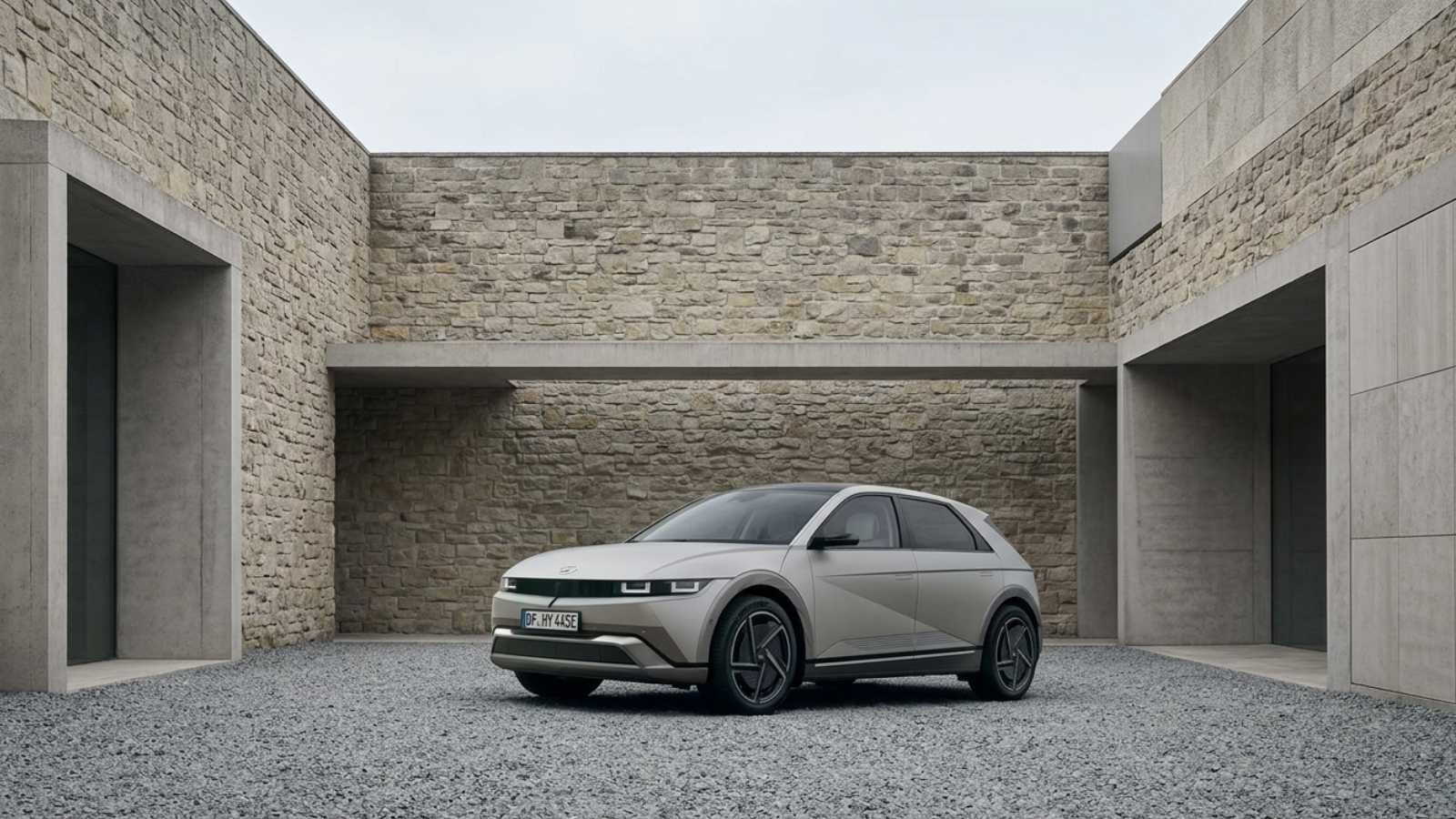
 FIG. 01 / HERO The Hyundai Ioniq 5: the all-rounder benchmark of the electric crossover class
 The verdict
The Hyundai Ioniq 5 is the all-rounder benchmark of the mainstream electric crossover class, and after five years on sale it is still one of the easiest EVs to recommend. It charges faster than almost anything near its money, it is roomy and comfortable in a way the spec sheet undersells, the ownership package is class-leading, and the design that turned heads in 2021 still does. We rate it 4.5 out of 5.
What keeps it off a perfect score is a handful of honest faults and one shift in its character. The ride can fidget over sharp urban bumps, efficiency is good rather than great because the upright shape was never the slipperiest, and it places only middling in EV reliability surveys. The bigger change is its price. The 2021 value champion has moved upmarket: the range now opens around £39,900 and the upper trims punch clean through £50,000. It remains a lot of car for the money, but it is no longer the bargain it once was. The fair summary is an EV that does almost everything well, now priced like it knows it.
A quick disambiguation before the detail: this review covers the mainstream Ioniq 5 range, not the 641bhp Ioniq 5 N hot version, which is a different car aimed at a different buyer.
- Battery (usable)
- 63kWh (standard) / 84kWh (long range)
- Power
- 170PS RWD (63kWh) · 228PS RWD or 325PS AWD (84kWh)
- 0–62mph
- from ~5.3s (84kWh AWD 325PS)
- Range (WLTP)
- up to 273 mi (63kWh) · up to 354 mi (84kWh RWD) · ~307 mi (84kWh AWD)
- Real-world efficiency
- ~3.5–3.9 mi/kWh (mild); markedly less in cold (attributed)
- Architecture
- 800V E-GMP
- Max DC charge
- ~240kW (Hyundai); 10–80% ~18 min on a capable charger
- Boot
- 520L + 57L frunk (RWD) / 24L frunk (AWD)
- Warranty
- 5yr/unlimited; battery 8yr
- Euro NCAP
- 5 stars
- Trims
- Advance · Premium · N Line · Ultimate · N Line S
- Price
- from ~£39,900 (ex-discount list)
The 800V charging trick is the real ownership win
The Ioniq 5’s standout is not a number people tend to shop on, but it is the one that changes daily life with the car the most: it charges very fast. It is built on Hyundai and Kia’s 800-volt E-GMP platform, which the two companies brought to market well ahead of most rivals, and on a capable rapid charger it will go from 10 to 80 per cent in around 18 minutes. Most direct rivals, built on 400-volt systems, take half an hour or more to do the same.
Two honest caveats keep that in proportion. First, the car’s real peak draw is around 240kW on Hyundai’s own current figure, not the 350kW that sometimes gets quoted; the 350kW is the charger’s rating, not the car’s appetite. The 18-minute figure still holds, because 240kW is plenty to deliver it. Second, you rarely meet a charger that fast in the wild, and when you do it is often busy or throttled. Plug into a more common 150kW unit and a 10 to 80 per cent top-up stretches to nearer 25 minutes, as testers including DrivingElectric have found. Even so, the 800V architecture means the Ioniq 5 spends less time tethered on a long trip than nearly anything at the price, and that is a genuine, repeatable advantage rather than a brochure boast.
Range, efficiency and the honest cold-weather note
There are two batteries. The standard 63kWh pack (170PS, rear-wheel drive) is rated up to 273 miles WLTP. The long-range 84kWh pack, enlarged from the old 77.4kWh unit in the 2025 update, is rated up to 354 miles WLTP in the most efficient rear-drive Advance and Premium trims, dropping to around 320 miles on the bigger-wheeled N Line and N Line S, and to roughly 307 miles for the 325PS all-wheel-drive version that covers 0 to 62mph in a brisk 5.3 seconds.
Real-world efficiency is the Ioniq 5’s weakest technical area, and we will not dress it up. The boxy, upright body that makes it so practical is not aerodynamic, so it sips more energy per mile than a sleeker EV. Expect somewhere around 3.5 to 3.9 miles per kWh in mild conditions, and meaningfully less in winter; Autocar measured as little as 2.5 miles per kWh from an earlier long-range car in cold weather. A heat pump and battery pre-conditioning are now standard across the range, which softens the cold-weather hit, but if your driving is mostly fast motorway miles, the more aerodynamic Ioniq 6 will go noticeably further on the same energy. That trade is the heart of the 5-versus-6 decision below.
On a long trip
For most owners the Ioniq 5 spends its life on short local runs and home charging, where range anxiety never enters the picture. The question that matters is the occasional long journey, and here the car’s two headline traits pull in opposite directions. Its merely-average efficiency means the usable real-world range between charges is good rather than exceptional, perhaps 250 to 290 miles from the 84kWh car in mild conditions and less in winter, so you will stop a little sooner than in a more aerodynamic EV. But when you do stop, the 800V charging claws the time back: a 10 to 80 per cent top-up in around 18 minutes on a fast enough charger is barely longer than a coffee and a comfort break, and even on a more common 150kW unit you are looking at roughly half an hour rather than the 45 minutes or more a slower-charging rival can need. The practical upshot is a car that asks for slightly more frequent stops but makes each one short, which for a lot of drivers is the better trade. The car’s own navigation will plan where to plug in, taking the guesswork out of it.
Design: why it still turns heads
Five years is a long time in the EV market, and most cars from 2021 look dated now. The Ioniq 5 does not. Its trick was to dress a large family crossover in the proportions of a 1980s hot hatch, all sharp creases and a long, flat roofline, then light it with the pixel motif that has since become a Hyundai signature. The 2025 update left the recipe largely alone, which Autocar reads as quiet confidence: new 19 and 20-inch wheel designs, subtly revised daytime-running lights, an extended rear spoiler and, at last, that rear wiper. The clamshell bonnet and flush detailing still look expensive, and the car reads as distinctive rather than fussy. It is one of very few EVs of its generation you would still call striking, and that longevity is part of what justifies the price it now asks. The N Line trims swap some of the clean-cut calm for a sportier, blacked-out look inspired by the Ioniq 5 N, which appeals to some buyers and not others, but does not change the space inside.
Living with it: space, boot and cabin
This is where the Ioniq 5 quietly earns its keep. The flat-floored E-GMP platform and long wheelbase give it a lounge-like cabin with limousine rear legroom and a sliding centre console, and the high, upright body makes getting in and out genuinely easy, which matters more to more people than 0 to 62 times do. The boot is a useful 520 litres, with a small front boot on top (57 litres on rear-drive cars, a token 24 on all-wheel drive for the second motor). What Car?’s testers note the load bay is broad but fairly shallow, so it swallows less bulky cargo than the deeper, more cavernous Skoda Enyaq, and the boot lip sits higher than a Tesla Model Y’s.
Standard kit is strong even low in the range. The entry Advance gets 19-inch wheels, dual-zone climate, adaptive cruise, heated front seats and steering wheel and the heat pump; What Car? and Autotrader both reckon it is worth stepping up to Premium for wireless charging, electric seats, vehicle-to-load, ambient lighting and a powered tailgate. The interior looks modern and is mostly sensibly laid out with physical climate buttons, a welcome counter-trend, though several testers flag that some of the plastics feel below the price, and the Kia EV6 and Genesis GV60 have plusher cabins. And yes, the 2025 update finally added a rear wiper, fixing one of the original car’s most-grumbled omissions.
Inside: screens, software and the useful stuff
The cabin runs on twin 12.3-inch displays, one instrument cluster and one central touchscreen, with wireless Apple CarPlay and Android Auto and over-the-air updates so the software improves over the car’s life. Hyundai has resisted the trend of burying everything in menus: there are physical climate and heated-seat controls on the sliding centre console, which testers and owners consistently appreciate, and the menu structure is among the more logical in the class. The standout practical feature is vehicle-to-load, standard from Premium up, which turns the car into a 3.6kW mobile power source: you can run power tools or camping gear from a socket in the cabin, or even charge another EV. Wireless phone charging, ambient lighting and a powered tailgate arrive at Premium, while Ultimate adds a Bose system and an augmented-reality head-up display that projects navigation onto the windscreen. The one persistent criticism is material quality in places: What Car? singles out some scratchy lower-dash and door plastics that do not match the price, an area where the Kia EV6 and Genesis GV60 feel a cut above.
Safety and driver assistance
The Ioniq 5 holds a five-star Euro NCAP rating and comes generously equipped on the safety front even in entry trim. Standard kit includes seven airbags and Hyundai’s current suite of driver aids: forward collision avoidance with car, pedestrian and cycle detection, lane-follow and lane-keep assist, intelligent speed-limit assist, blind-spot collision avoidance, smart cruise control with stop and go, and a tyre-pressure monitor with individual readouts. Higher trims and the Tech Pack add a surround-view monitor, blind-spot view monitor and remote smart park assist, which reverses or pulls the car out of a tight space from the key. As with most systems of this kind, some of the more eager warnings can be muted if they grate, but the core package is comprehensive and well rated.
How it drives
We have not driven this car, so the following is drawn from professional road tests and owner reports rather than our own seat time. The consensus is consistent: the Ioniq 5 is tuned for comfort and refinement, not back-road thrills. Auto Express rates it at the more comfortable end of the class and reckons that setup makes more sense than the firmer but no-better-to-drive rivals. Autocar is more pointed about the limits, describing loose body control over mid-corner bumps and a sense of the car’s two-tonne mass moving around when pushed, with suspension that can clatter through sharp potholes on the larger wheels. The steering is light and accurate rather than feelsome. One widely praised detail is the steering-wheel regen paddles, which let you dial brake regeneration up or down on the move, among the best-implemented systems of their kind, and at the strongest setting they give true one-pedal driving in town. Refinement is good at a cruise, with little wind noise, though testers note the 20-inch wheels on the sportier trims drum up more road noise than the standard 19s, so the quieter, comfier choice is also the cheaper one. Net: a relaxed, refined cruiser that is pleasant rather than engaging, which suits the brief.
Ownership: warranty, reliability and the honest caveat
The ownership package is one of the Ioniq 5’s strongest cards. Hyundai covers the car with a five-year, unlimited-mileage warranty, longer than most rivals’ three years, plus five years of roadside assistance and annual health checks, and the battery is warranted for eight years against dropping below 70 per cent of its original capacity. For a buyer keeping the car several years, that is real peace of mind and it supports resale values.
The honest counterweight is reliability survey data. The Ioniq 5 has placed only mid-table, and in What Car?’s 2024 electric-car reliability ranking it finished near the bottom of the EVs assessed. Survey positions move year to year and a strong warranty softens the financial risk, but it is a fair caution and a reason the car is a 4.5 rather than a 5: the package around the car is excellent, while the car’s own reliability record is merely average. Most issues reported have been software and minor electrical niggles rather than anything structural, and the over-the-air updates have addressed some over time, but it is worth knowing before you buy.
The two grants, untangled
There are two different things called a grant in Ioniq 5 conversations, and they get blurred constantly. They are not the same, and only one of them might save you money on this car.
The government’s Electric Car Grant is the official scheme, worth £1,500 or £3,750 depending on band, but it only applies to cars priced at or below roughly £37,000. The Ioniq 5 starts around £39,900, above that cap, so it does not qualify. The only Hyundai currently in the government scheme is the cheaper Kona Electric. Do not let any source tell you the Ioniq 5 “qualifies for the Electric Car Grant”, because the government one does not reach it.
Separately, Hyundai runs its own manufacturer discount, confusingly named the Hyundai Electric Grant. This is Hyundai’s money, not the government’s, and as of June 2026 it takes £1,500 off the Ioniq 5 (the fast Ioniq 5 N is excluded). It is a time-limited promotion that Hyundai has already revised once, with end-dates reported around 30 June 2026, so treat it as a live offer to check at the point of order rather than a durable feature of the car. The honest picture is a £40,000 EV that the government grant does not reach, sometimes softened by a manufacturer discount that may have changed by the time you read this. Either way, the list price, the figure that drives company-car tax, is not reduced by either grant.
Running costs and company-car tax
On fuel, the Ioniq 5 is cheap to run if you charge at home on a smart overnight tariff, and dramatically less so on public rapid chargers, the same pattern as every EV. Rather than repeat the maths here, our EV charging cost calculator and our EV versus petrol calculator will run your own mileage and tariff, and our best EV tariffs guide covers how to get the cheap overnight rate that does the heavy lifting.
Where the Ioniq 5 is at its strongest on cost is as a company car. Like every pure EV it sits in the lowest benefit-in-kind band, 4 per cent for the 2026/27 tax year, rising to 5 per cent the year after, which makes a roughly £40,000 EV strikingly cheap to run through salary sacrifice compared with a petrol or diesel equivalent. Our company-car tax calculator works out the monthly figure for your salary and trim.
Two tax points for private buyers. First-year VED is £10, then the standard £200 a year from year two (the 2026/27 rate). The catch on the pricier configurations is the Expensive Car Supplement: any Ioniq 5 over £50,000 at registration, which on current pricing means the N Line all-wheel drive and all Ultimate and N Line S trims, picks up an annual surcharge on top of the standard rate for five years, from the second time it is taxed. That can add a meaningful sum over the period, and it is a genuine reason to think twice before climbing to the top of the range. Our EV road tax guide has the current figures and explains the threshold in full.
Which Ioniq 5 to buy
If the badge on the boot matters less to you than the bill, the buying logic is straightforward. The entry Advance is worth a proper look rather than a car to skip past, for one specific reason: it is the only Ioniq 5 priced comfortably under £40,000, which keeps it well clear of the £50,000 Expensive Car Supplement while still getting you the same platform, heat pump and core kit as the rest. For most buyers, though, Premium is the sweet spot, adding the conveniences (wireless charging, electric seats, vehicle-to-load, powered tailgate) that make daily life nicer without a wild price jump. On batteries, take the 84kWh long-range pack if you do regular longer trips or simply want more comfortable real-world range; the 63kWh standard car is fine for mostly-local driving on home charging. The N Line and N Line S buy you the sportier Ioniq 5 N-inspired look for a premium, with no change to the space inside, and the Ultimate and all-wheel-drive versions are the ones to approach with the ECS in mind, since they tip over £50,000. Unless you specifically want the pace or the kit, the value lives in the middle of the range.
Ioniq 5 or Ioniq 6: which sibling?
Hyundai sells two cars on this platform, and for many buyers the real cross-shop is not against a rival brand but against each other. The short version: buy the 5 for space and easy living, buy the 6 for efficiency and range.
The Ioniq 5 is the upright crossover, with the bigger, more usable boot, the easier access and the more practical everyday shape. The Ioniq 6 is the swooping saloon: its low-drag body turns the identical hardware into class-leading efficiency and longer real-world range, at the cost of a smaller, more awkward boot and a more divisive look. If you do high motorway mileage and want the lowest running cost per mile, the 6 is the cleverer buy. If you carry people and things and value getting in and out without ducking, the 5 is the one. Our full Hyundai Ioniq 6 review makes the case for the saloon in detail.
The rivals worth knowing
The obvious cross-shop is the Tesla Model Y, the segment’s volume benchmark, which counters with a deeper, more practical boot, the Supercharger network and keener efficiency, while the Ioniq 5 answers with faster 800V charging, a comfier ride and a more characterful cabin. The closest relation is the Kia EV6, which shares the platform and the charging trick in a sportier-driving package. For outright practicality the Skoda Enyaq has a bigger boot, and the VW ID.4 and ID.5, Ford Explorer and Mustang Mach-E, Renault Scenic and the plusher Genesis GV60 all compete for the same money. Against that field the Ioniq 5’s blend of charging speed, comfort, space and ownership package keeps it near the top of the class.
Who should buy it
Buy the Ioniq 5 if you want one of the best-rounded electric family cars on sale, value fast charging and a comfortable, spacious cabin over outright driver engagement, and either run it as a company car or charge it at home. Look harder at the alternatives if you do big motorway miles and want maximum efficiency (the Ioniq 6 or a Tesla), if you need the largest possible boot (the Enyaq), or if you are tempted by a sub-£50,000 trim purely to dodge the Expensive Car Supplement, in which case stick to the lower rungs of the ladder. As an all-rounder it remains a 4.5-out-of-5 car: not flawless, no longer cheap, but still genuinely excellent.
How we assessed the Ioniq 5
This is a research-synthesis review. We have not driven the Ioniq 5 ourselves, so every judgement about how it rides, handles, charges or performs in the real world is drawn from named professional road tests and owner reports, attributed in the text, rather than presented as our own testing. Specifications, prices, trim levels and tax figures are stated from Hyundai UK and primary data sources, verified at the time of writing (June 2026); prices and the manufacturer discount move, so check the current position before ordering. Where sources disagreed, for example on the exact charging peak or which trims cross the £50,000 threshold, we reconciled against the manufacturer’s own current figures rather than averaging. If we have got something wrong, tell us and we will correct it in public, dated and signed.
Pros and cons.
Pros
- ✓Class-leading 800V charging: 10–80% in about 18 minutes on a capable charger
- ✓Roomy, lounge-like cabin with easy access and limousine rear legroom
- ✓Strong standard kit and a class-leading ownership package (5-year warranty, 8-year battery, 4% BIK, 5-star safety)
- ✓Comfortable, refined ride tuned for everyday ease
- ✓Distinctive design that still looks fresh five years on
Cons
- ✗Efficiency is good rather than great: the upright shape costs real-world miles, especially in winter
- ✗Ride can fidget over sharp urban bumps, particularly on the larger wheels
- ✗Middling placings in EV reliability surveys
- ✗Has crept upmarket: no longer the value champion, and upper trims clear £50,000 and the ECS
- ✗Some interior plastics feel below the price
Frequently asked.
How far does the Hyundai Ioniq 5 really go?
Up to 273 miles WLTP on the 63kWh battery and up to 354 miles on the 84kWh long-range version, with the all-wheel-drive model rated around 307 miles. Real-world figures land lower, especially in winter, because the upright body is not very aerodynamic: expect roughly 3.5 to 3.9 miles per kWh in mild weather and meaningfully less when it is cold.
How fast does the Ioniq 5 charge, and does the 800V matter in real life?
Yes, it is the car's standout. On a capable rapid charger it goes from 10 to 80 per cent in about 18 minutes, roughly half the time most 400-volt rivals take, thanks to its 800-volt architecture. Its real peak draw is around 240kW. The catch is that very fast chargers are not everywhere; on a more common 150kW unit the same top-up takes nearer 25 minutes, still quick.
Does the Ioniq 5 qualify for the Electric Car Grant?
Not the government one. The government Electric Car Grant only applies to cars priced at or below about £37,000, and the Ioniq 5 starts around £39,900, above the cap. The only Hyundai in the government scheme is the cheaper Kona Electric. Separately, Hyundai runs its own manufacturer discount, the Hyundai Electric Grant, which as of June 2026 takes £1,500 off the Ioniq 5; it is a time-limited offer, so check the current position before ordering.
Ioniq 5 or Ioniq 6: which should I buy?
Buy the 5 for space, easy access and everyday practicality; buy the 6 for efficiency, range and the lowest running cost per mile. They share the same platform and charging, but the 6's aerodynamic saloon body goes further on the same energy, while the 5's upright crossover shape is roomier and easier to live with.
Should I get the 63kWh or 84kWh battery?
The 63kWh standard-range car (up to 273 miles) is fine if your driving is mostly local and you charge at home. The 84kWh long-range pack (up to 354 miles) is the one to have if you do regular longer trips or want more comfortable real-world range, and it unlocks the more powerful and all-wheel-drive options. The bigger battery adds cost but little running-cost penalty per mile.
Is the Ioniq 5 a good salary-sacrifice or company car?
Very. As a pure EV it sits in the lowest benefit-in-kind band, 4 per cent for 2026/27 (rising to 5 per cent in 2027/28), which makes a roughly £40,000 car strikingly cheap to run through salary sacrifice versus a petrol or diesel equivalent. Watch the Expensive Car Supplement on trims over £50,000 if buying privately. Our company-car tax calculator works out the figure for your salary.
Sources
- Hyundai Motor UK: new Ioniq 5 pricing and specification — accessed 22 Jun 2026
- Hyundai UK: Ioniq 5 trims and prices — accessed 22 Jun 2026
- Auto Express: Hyundai Ioniq 5 review — accessed 22 Jun 2026
- What Car?: Hyundai Ioniq 5 review — accessed 22 Jun 2026
- Autocar: Hyundai Ioniq 5 road test — accessed 22 Jun 2026
- Honest John / Hyundai UK: Electric Car Grant and Hyundai Electric Grant — accessed 22 Jun 2026
Sources: Manufacturer documentation, verified owner reports, and industry sources. Not hands-on tested.
Corrections: if we got something wrong, tell us and we'll fix it in public, dated and signed. Last updated 22 June 2026.