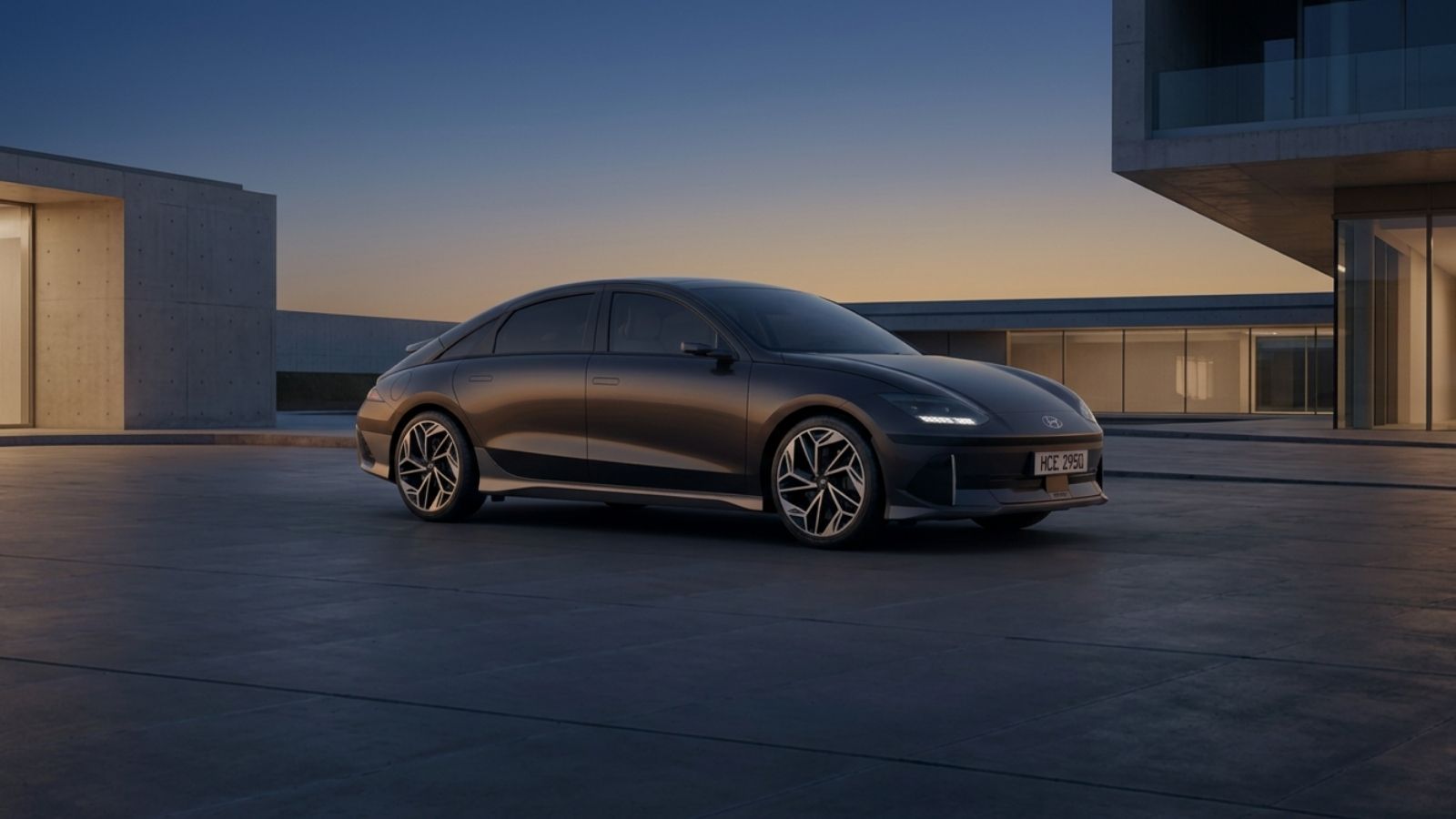
 FIG. 01 / HERO The Hyundai Ioniq 6: a 0.21-drag saloon built for efficiency and range
 The verdict
The Hyundai Ioniq 6 is the efficiency-and-range play of Hyundai’s electric pair. It takes the same 800-volt E-GMP hardware as the Ioniq 5 and wraps it in one of the most aerodynamic bodies in the class, and the result is a saloon that goes further on the same energy than almost anything near its price. If the 5 is the practical all-rounder, the 6 is the motorway-miles specialist: the cheaper of the two to run per mile, and the one to buy if long-distance range is what you are after. We rate it 4.0 out of 5.
It sits half a point below its sibling for honest reasons. It is the more divisive and less practical car. The swooping roofline that makes it slippery also eats into rear headroom and leaves a smaller, more awkwardly shaped 401-litre boot than the upright 5’s. The ride is firmer, the styling splits opinion where the 5 broadly charms, and the cabin carries some of the same hard-plastic and ergonomic gripes. A 2026 facelift is meant to address several of those points, but as we explain below, the updated standard car had barely been independently road-tested as this review was written, so we have been careful not to credit fixes that have not yet been verified. The fair summary: buy the 6 for efficiency, range and aero drama; buy the 5 for space and easy living.
As with the 5, one disambiguation: this covers the mainstream Ioniq 6, not the 641bhp Ioniq 6 N super-saloon, which is a separate, far pricier performance car.
- Battery (usable)
- 77kWh
- Power
- 225bhp RWD or 320bhp AWD
- 0–62mph
- 7.4s (RWD) / 5.1s (AWD)
- Top speed
- 115mph
- Range (WLTP)
- up to ~338 mi (RWD) · ~322 mi (AWD)
- Real-world efficiency
- ~4.3 mi/kWh official; ~250–280 real-world miles (attributed)
- Drag coefficient
- 0.21 Cd
- Architecture
- 800V E-GMP
- Max DC charge
- ~220kW (What Car?); 10–80% ~18 min on a capable charger
- Boot
- 401L + miniscule frunk
- Warranty
- 5yr/unlimited; battery 8yr
- Euro NCAP
- 5 stars
- Trims
- Premium · Ultimate (RWD or AWD); First Edition winding down
- Price
- from ~£46,750 (ex-discount list)
Efficiency and range are the whole point
The Ioniq 6’s identity is its drag coefficient: a remarkable 0.21, among the lowest of any mainstream car on sale, achieved with a low nose, active air flaps and wheel-gap reducers. Aerodynamics matter more for an EV’s range than almost anything else, and the 6 turns that slipperiness into real numbers. On the single-motor rear-drive car the official range is up to 338 miles WLTP from a 77kWh battery, and the official efficiency figure is around 4.3 miles per kWh, which Top Gear and others rate as genuinely class-leading. The same hardware in the boxier Ioniq 5 manages closer to 354 miles only because it carries a larger 84kWh pack; per unit of energy, the 6 is clearly the more efficient car.
Real-world figures, as ever, sit below the official ones. Autocar’s testing found cruising efficiency very strong, better than a Mercedes EQE it had recently measured, but real-world range of roughly 250 to 280 miles rather than the headline 338. That is still a strong result for a sub-£50,000 EV, and crucially it is achieved without a huge, heavy battery. For a driver who racks up motorway miles, the 6 is the cleverer buy of the two Hyundais precisely because it does not need brute battery capacity to go a long way: the efficiency does the work, and the running cost per mile is the lowest in the range.
Charging: the same 800V trick
The 6 keeps the platform’s headline party piece. On a capable rapid charger it will go from 10 to 80 per cent in around 18 minutes, the same 800-volt advantage that makes the Ioniq 5 so easy to live with on a long trip. As with the 5, the realistic caveats apply: the car’s actual peak draw is around 220kW on What Car?’s figure, not the 350kW occasionally quoted for the architecture, and you rarely meet a charger fast enough to hit even that. On a more common 150kW unit the same top-up runs nearer 25 to 30 minutes. Combined with the long real-world range, though, the fast charging makes the 6 a confident long-distance car, and a credible rival to the cars it was conceived against. The fuller treatment of the 800V system is in our Ioniq 5 review, since the two share it.
Design: the streamliner gamble
The Ioniq 6’s look is not an afterthought to its efficiency, it is the cause of it. Evolved from Hyundai’s Prophecy concept, the body is shaped by the wind tunnel: a long, arcing roofline, a ducktail spoiler, active air flaps and that 0.21 drag figure. The result is dramatic and unusual, closer to a 1930s streamliner or a Mercedes CLS than a conventional saloon, and trimmed with the same pixel lighting and transparent-plastic detailing as the rest of the Ioniq family. Hyundai’s design chief calls it a deliberate move away from making every model look the same, and the 6 certainly stands apart. It also divides opinion in a way the broadly-liked 5 does not: Top Gear and Electrifying both rate the 5 the more cohesive design, finding the 6’s pinched headlights and busy rear less resolved. Whether that reads as bold or awkward is genuinely a matter of taste, and it is worth seeing one in the metal before deciding, because the styling is central to the car’s appeal and its compromises alike. The 2026 facelift swaps the original’s rounder headlights for slimmer, sharper units, which most reviewers consider an improvement.
On a long trip
This is the journey the Ioniq 6 was built for, and it is where the car makes most sense. Its class-leading efficiency means it covers more real miles between charges than almost anything at the price, around 250 to 280 miles in real-world conditions on the rear-drive car, so the stops come less often than in a boxier EV like its own sibling. And when they do come, the same 800V trick applies: 10 to 80 per cent in roughly 18 minutes on a capable charger, nearer half an hour on the more common 150kW units you will actually find at most motorway services. Put the two together, fewer stops and short ones, and the 6 is a genuinely relaxed long-distance car, the rare EV where a 300-mile trip needs little more planning than a petrol one. The honest caveat is the same as for any EV: the fastest chargers are not everywhere and are often busy, so the real-world experience depends as much on the network as on the car. But of the two Hyundais, the 6 is unambiguously the better motorway companion, and that is the whole point of it.
Living with it: the practicality trade-off
This is where the 6 asks you to make a choice. The saloon body looks dramatic and cuts through the air, but it is the less practical of the two Hyundais. The boot holds 401 litres, well down on the Ioniq 5’s 520 and on saloon rivals like the BMW i4, Tesla Model 3 and Polestar 2, and the front boot is, in Top Gear’s words, miniscule. Rear headroom is the more talked-about issue: Hyundai created space under the low roof by lowering the seat bench, which Carwow and What Car? note leaves taller passengers short of under-thigh support on longer journeys, and six-footers slightly hunched. Specifying the Ultimate’s sunroof reduces headroom further, so tall drivers should think twice about that trim. Up front there is plenty of legroom and the cabin is comfortable and well-equipped, with the same twin 12.3-inch screens as the 5 and, several testers reckon, slightly better material quality, though hard door plastics still let it down against the plushest rivals.
Trims are simpler than the 5’s: Premium or Ultimate, each with single-motor rear drive or twin-motor all-wheel drive, as the limited First Edition winds down. Premium is well-equipped and, as Auto Express and What Car? both conclude, the one to buy: it is the longest-range version and wants for little. Ultimate adds a head-up display, sunroof, ventilated seats, premium audio and all-round cameras, with optional camera door mirrors, but adds thousands to the price and, via the sunroof, costs headroom.
Inside: tech, screens and a neat trick or two
The dashboard mirrors the Ioniq 5’s twin 12.3-inch screens, but the 6’s cabin has a cleaner, more cocooning feel, with hidden-until-lit controls, aluminium-look switchgear and see-through door pockets so nothing disappears into them. Several testers, Top Gear among them, reckon the material quality is a small step above the 5’s, though What Car? still finds the door panels harder and plainer than the plushest rivals manage. Vehicle-to-load is standard, as on the 5, letting the car power external devices. Two details are unique to the 6: Ultimate cars get four small LEDs on the steering wheel that double as a charging-status meter, a genuinely useful touch, and you can option camera-based digital door mirrors, whose slimmer pods cut drag enough to add close to a mile of range. They are a love-or-hate feature, and most buyers stick with conventional glass.
Safety and driver assistance
The Ioniq 6 carries a five-star Euro NCAP rating and Hyundai’s full Smart Sense suite as standard: seven airbags, forward collision avoidance covering cars, pedestrians, cyclists and junction turns, highway drive assist, lane-follow and lane-keep assist, intelligent speed-limit assist, blind-spot and rear-cross-traffic collision avoidance, parking collision avoidance and a tyre-pressure monitor with individual readouts. A 360-degree parking camera is reserved for the Ultimate trim, but the core safety package is comprehensive across the range, and it is one area where the 6 gives nothing away to pricier rivals.
How it drives
We have not driven the Ioniq 6, so this is synthesised from professional road tests, and it comes with an unusually important caveat for this car: most published criticism is of the pre-facelift version, and the updated standard car was only lightly tested as this review was written. With that flagged, the consistent picture is of a refined, efficient cruiser rather than a sports saloon. Autocar found it composed and versatile, with decent body control over its two-tonne mass, but stopped short of calling it rewarding, and was pointed that the pre-facelift car was a great idea held back by ride and ergonomic execution that an early facelift would need to cure. Carwow notes it is easy and light to drive but not quite as cushioned as the 5; Electrifying praised its motorway refinement and flow on a twisty road while flagging that bigger wheels struggle on lumpy surfaces. The handling is a touch sharper than the taller 5’s thanks to the lower centre of gravity, but the brief is comfort and efficiency, not engagement, and the 6 delivers on that brief.
The facelift, honestly
Hyundai showed a facelifted Ioniq 6 with revised slimmer headlights, interior updates and claimed improvements to some of the ergonomic and rear-headroom complaints. We want to be straight about what that does and does not mean for this review. As of mid-2026 the updated standard car had barely been independently road-tested in the UK; reviewers including Autocar had driven the facelifted Ioniq 6 N performance model but not the regular facelifted car. So where a criticism was levelled at the original, we have neither assumed the facelift fixed it nor assumed it remains, but attributed it to the car that was actually tested and noted the facelift’s claimed changes as claims. If the update delivers on the ergonomics and ride, the 6 could earn back some of the half-point that separates it from the 5; we will revisit once the facelifted standard car has been properly driven.
Ownership: warranty and reliability
The 6 shares the Ioniq family’s strong ownership package: a five-year, unlimited-mileage warranty, five years of roadside assistance and annual health checks, and an eight-year battery warranty against capacity dropping below 70 per cent. That is longer cover than most rivals offer and it supports residual values, which in turn helps keep salary-sacrifice monthly costs down.
The same honest caveat applies as to the 5. Hyundai’s recent EVs have placed only mid-table in reliability surveys rather than leading them, with most reported issues being software and minor electrical niggles rather than anything serious, and the long warranty limits the financial exposure either way. For a saloon bought largely for its efficiency and long-distance ease, the package is reassuring; just go in knowing the reliability record is solid rather than spotless.
The two grants, and running costs
The grant position is identical to the Ioniq 5’s, and it trips people up the same way. The government’s Electric Car Grant only reaches cars priced at or below about £37,000; the Ioniq 6 sits well above that, so it does not qualify, and the only Hyundai in the government scheme is the cheaper Kona. Separately, Hyundai’s own manufacturer discount, confusingly called the Hyundai Electric Grant, takes £1,500 off the Ioniq 6 as of June 2026 (the Ioniq 6 N is excluded). It is a dated, time-limited offer with end-dates reported around 30 June 2026, so check it is still running before you order, and note that neither grant reduces the list price that company-car tax is based on. The fuller untangling of the two is in our Ioniq 5 review.
On running costs the 6’s efficiency is its trump card, and it is worth making concrete. At its official 4.3 miles per kWh, and closer to 4.0 in real-world driving, a typical overnight EV tariff of around 8p per kWh works out at roughly 2p a mile, and even on the standard 26.11p Ofgem unit rate that comes to about 6p a mile. That makes it the cheapest car in Hyundai’s EV range to run, though against the already-efficient Ioniq 5 the per-mile saving is real but small in pence. Our EV charging cost calculator and EV versus petrol calculator will run the figures on your own mileage and tariff. As a company car it shares the 5’s appeal: the lowest benefit-in-kind band, 4 per cent for 2026/27 and 5 per cent the year after, which our company-car tax calculator turns into a monthly figure. On VED it is £10 in the first year then £200 a year, and the pricier Ultimate and all-wheel-drive configurations clear the £50,000 Expensive Car Supplement threshold and pick up the surcharge for five years from year two, the same trap as the upper Ioniq 5s. Our EV road tax guide has the detail.
Which Ioniq 6 to buy
The range is mercifully simple, and so is the advice. Premium with the single-motor rear-wheel drive is the one to buy for most people: it is the longest-range version, it is comfortably equipped, and as Auto Express and What Car? both conclude, there is little reason to pay more. The twin-motor all-wheel drive adds genuine pace (0 to 62mph in around 5.1 seconds against the rear-driver’s 7.4) but costs range and money, and this is a car bought for efficiency and comfort rather than acceleration, so the trade rarely makes sense. Ultimate brings the head-up display, ventilated seats, premium audio, sunroof and all-round cameras, but adds thousands and, through the sunroof, eats into already-tight rear headroom, so tall drivers in particular should think hard before specifying it. As with the 5, the pricier all-wheel-drive and Ultimate configurations also clear £50,000 and pick up the Expensive Car Supplement, another nudge towards the well-judged Premium RWD.
Ioniq 6 or Ioniq 5: which sibling?
Because the 6’s natural rivals, the Tesla Model 3 above all, are not cars we have reviewed, the most useful comparison is the one in Hyundai’s own showroom. The decision is genuinely clean. The 6 wins on efficiency, range and running cost per mile, and on aerodynamic drama if the styling speaks to you. The 5 wins on space, boot, easy access and everyday practicality, and it is the safer choice for taller passengers and bigger loads. If your miles are mostly long and fast and you want the lowest cost per mile, the 6 is the cleverer car. If you carry people and things and value the upright crossover’s ease of living, the 5 is the better fit, and the half-point between their scores reflects exactly that practicality gap. Our full Hyundai Ioniq 5 review makes the crossover’s case.
The rivals worth knowing
The Ioniq 6 was conceived against the Tesla Model 3, and that remains the benchmark to beat. The Tesla undercuts it on price, counters with sharper performance and the Supercharger network, and matches it for efficiency, which is no small thing given efficiency is the Hyundai’s calling card. Where the 6 answers is on charging speed (its 800V architecture tops the Tesla’s charging rate), on cabin design and, by most accounts including Top Gear’s, on solidity of build: reviewers who would pick the Hyundai tend to do so because they trust how it is engineered and put together. The Model 3 stays the rational-value choice; the 6 is the one you buy if you want something more distinctive and more obviously built. The premium saloon rival is the BMW i4, comfier and more fun on a back road but pricier; the Polestar 2 is the other design-led option; and the VW ID.7 and BYD Seal round out the field. Against all of them the 6’s pitch is the same: go a long way, efficiently, and charge quickly when you do stop.
Who should buy it
Buy the Ioniq 6 if efficiency and long-distance range top your list, you do high motorway mileage, you want the lowest running cost in Hyundai’s EV range, and the dramatic saloon styling appeals. Look at the Ioniq 5 instead if you need the bigger boot and easier access, or carry tall passengers regularly; look at a Tesla Model 3 if price and performance matter more than badge or build. Rated against the class it is a genuine 4.0: a clever, efficient, distinctive car held back from its sibling’s score only by practicality and a facelift we have not yet been able to verify on the road.
How we assessed the Ioniq 6
This is a research-synthesis review. We have not driven the Ioniq 6, so every judgement about how it rides, handles, charges or performs in the real world is drawn from named professional road tests and owner reports, attributed in the text, not presented as our own testing. That attribution discipline matters more than usual here because the facelifted standard car had been only lightly road-tested when this review was written: where a criticism applied to the pre-facelift car, we have said so and attributed it, rather than presenting it as a current verified fact or assuming the update has resolved it. Specifications, prices, trims and tax figures are stated from Hyundai UK and primary sources, verified June 2026; prices and the manufacturer discount move, so check the current position before ordering. Where sources disagreed we reconciled against the manufacturer’s own figures rather than averaging. If we have got something wrong, tell us and we will fix it in public, dated and signed.
Pros and cons.
Pros
- ✓Class-leading aero efficiency (0.21 Cd) and the lowest running cost per mile in Hyundai's EV range
- ✓Strong real-world long-distance range without a huge, heavy battery
- ✓Fast 800V charging: 10–80% in about 18 minutes on a capable charger
- ✓Low company-car tax (4% BIK 2026/27) and a class-leading ownership package
- ✓Distinctive, aerodynamically-driven styling
Cons
- ✗Smaller, more awkward 401-litre boot than the Ioniq 5 and saloon rivals; miniscule frunk
- ✗Tight rear headroom and under-thigh support under the low roofline; worse with the sunroof
- ✗Firmer ride than the Ioniq 5; comfort-biased rather than engaging
- ✗Styling divides opinion; some hard interior plastics
- ✗Facelifted standard car only lightly road-tested as of mid-2026
Frequently asked.
How far does the Ioniq 6 really go, and is it more efficient than the Ioniq 5?
Up to 338 miles WLTP on the single-motor rear-drive car, with real-world figures nearer 250 to 280 miles. And yes, it is clearly more efficient than the Ioniq 5: its 0.21 drag coefficient is one of the lowest in the class, so it goes further on the same energy. The 5 only matches its headline range by carrying a bigger battery; per mile, the 6 is the cheaper of the two to run.
Does the Ioniq 6 qualify for the Electric Car Grant?
Not the government one. The government Electric Car Grant only applies to cars at or below about £37,000, and the Ioniq 6 sits well above that. The only Hyundai in the government scheme is the cheaper Kona Electric. Hyundai's own manufacturer discount, the Hyundai Electric Grant, separately takes £1,500 off the Ioniq 6 as of June 2026, but it is a time-limited offer, so check it is still running before ordering.
Ioniq 6 or Ioniq 5: which should I buy?
Buy the 6 for efficiency, long-distance range and the lowest running cost per mile, and if the dramatic styling appeals. Buy the 5 for space, a bigger boot, easier access and more rear headroom. They share platform, charging and ownership package; the difference is the 6's aerodynamic saloon body versus the 5's practical upright crossover.
Did the facelift fix the rear headroom and ergonomics?
Hyundai says the 2026 update addresses some of the ergonomic and rear-headroom complaints, but the facelifted standard car had been only lightly road-tested when we wrote this, so we cannot confirm the improvements independently. The low roofline still costs rear headroom and under-thigh support on the pre-facelift car, and specifying the sunroof reduces headroom further. We will revisit once the updated car has been properly driven.
Is the Ioniq 6 a good salary-sacrifice car?
Very. As a pure EV it sits in the lowest benefit-in-kind band, 4 per cent for 2026/27 rising to 5 per cent in 2027/28, and its class-leading efficiency makes it the cheapest car in Hyundai's range to run on energy. That combination makes it a strong salary-sacrifice choice. Our company-car tax calculator works out the monthly cost for your salary and trim.
Premium or Ultimate?
Premium is the one most reviewers recommend: it is the longest-range version, is well-equipped and wants for little. Ultimate adds a head-up display, sunroof, ventilated seats, premium audio and all-round cameras, but adds thousands to the price, and its sunroof eats into already-tight rear headroom, so tall drivers in particular should think twice.
Sources
- Hyundai Motor UK: Ioniq 6 range pricing and specification — accessed 22 Jun 2026
- Autocar: Hyundai Ioniq 6 road test — accessed 22 Jun 2026
- What Car?: Hyundai Ioniq 6 review — accessed 22 Jun 2026
- Carwow: Hyundai Ioniq 6 review — accessed 22 Jun 2026
- Top Gear: Hyundai Ioniq 6 review — accessed 22 Jun 2026
- Honest John / Hyundai UK: Electric Car Grant and Hyundai Electric Grant — accessed 22 Jun 2026
Sources: Manufacturer documentation, verified owner reports, and industry sources. Not hands-on tested.
Corrections: if we got something wrong, tell us and we'll fix it in public, dated and signed. Last updated 22 June 2026.