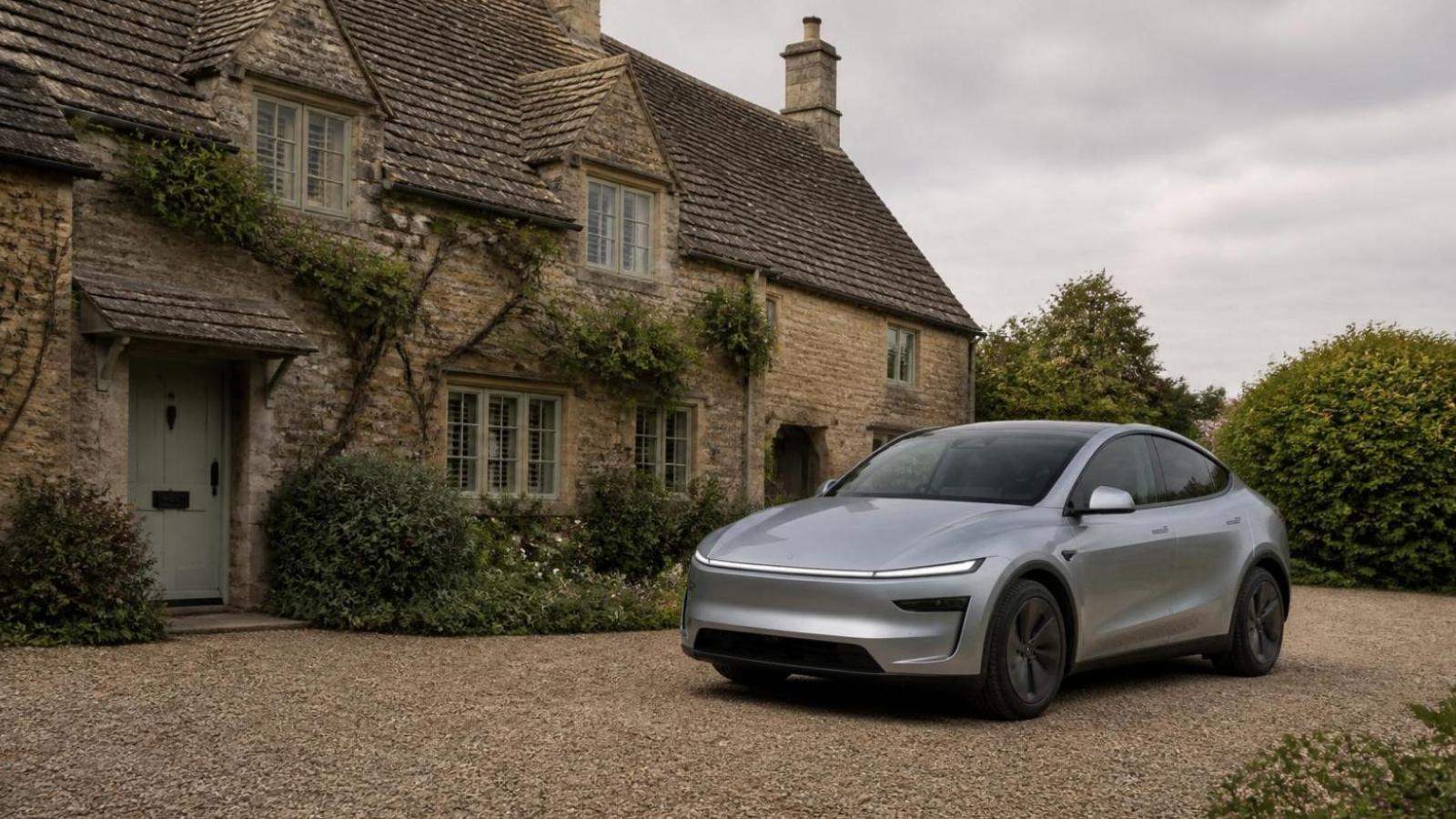
 FIG. 01 / HERO The 2026 Juniper Tesla Model Y, the UK's best-selling electric car
 The verdict
The Tesla Model Y is the UK’s best-selling EV, and the honest question is no longer “is it good” but “is the default still the one to beat, and is it the right one for you.” After the 2026 “Juniper” refresh, the short answer is that it remains the benchmark family electric SUV, and it is better than it was, but it asks you to accept a few things that rivals do not.
What it gets right is the stuff that decides an EV purchase. It is efficient, it goes a genuinely long way between charges, it is hugely practical, and it plugs into the Supercharger network, which is still the most reliable, least stressful way to charge on a long trip in Britain. The refresh adds a more composed ride, a quieter cabin and a nicer interior, all of which reviewers confirm. What it asks in return: you move gear selection to the touchscreen, you live without Apple CarPlay or Android Auto, and you accept that a widely-reported front-suspension niggle may or may not affect your car. None of those is a dealbreaker for most buyers. All of them are real.
We rate it 4.5 out of 5. It is class-leading for its intended buyer on the things that matter most in this class, with a cluster of ergonomic and refinement caveats that stop short of dethroning it. It is the right car for a family that wants range, space, low running costs and painless long-distance charging. Look elsewhere if you specifically want CarPlay, physical controls, or the plushest, quietest cabin in the segment, because several rivals beat it on those.
This is a research synthesis: we have not driven the car. How we assessed it, and how we handle the difference between a spec and a driving impression, is set out in full at the foot of this review.
Specs and range at a glance
The 2026 lineup is wider than it used to be, and the naming has changed, so it is worth walking through. There are now five UK trims, from an efficient entry model to a 627PS Performance flagship. Prices and ranges move frequently with Tesla, so treat these as current at the time of writing and confirm before you order.
The entry Standard RWD uses a smaller 60kWh lithium-iron-phosphate battery and is, on the test figures, the most efficient Model Y ever at around 4.6 miles per kWh, with 314 miles of WLTP range. Above it, a Long Range RWD at £44,990 stretches that to 383 miles, and the Premium RWD at £48,990 adds the rear screen, ventilated seats, acoustic glass and the light bars, for a class-strong 387 miles. The Premium AWD adds a second motor and 514PS, and the Performance sits on top with up to 627PS and a sub-3.5-second 0-60 time. Across the range the charging peak is up to 250kW (175kW on the LFP Standard), the dimensions are unchanged in the wheelbase but the body is now 4790mm long, and kerb weight sits around 1,900kg for the rear-drive cars.
- Trims (UK, 2026)
- Standard RWD, Long Range RWD, Premium RWD, Premium AWD, Performance
- Price (OTR, approx)
- £41,990 (Standard) to £61,990 (Performance). Verify at order
- Battery (usable, approx)
- ~60kWh LFP (Standard); ~78–79kWh NMC (Long Range / Premium / AWD / Performance)
- WLTP range
- Standard 314 mi · Long Range RWD 383 mi · Premium RWD 387 mi · Premium AWD ~364–391 mi · Performance 360 mi
- Efficiency (test figures)
- Standard ~4.6 mi/kWh; rear-drive Long Range ~4.0–4.4 mi/kWh claimed (real-world lower, see below)
- Charging peak
- Up to 250kW (175kW on Standard); roughly 10–80% in about 15 minutes on a Supercharger
- 0–60 mph
- Standard ~6.9s · RWD ~5.4–5.6s · Premium AWD ~4.6s · Performance ~3.3s
- Dimensions
- 4790mm L × 1920mm W × 1624mm H; 2890mm wheelbase; ~1,900kg (RWD)
- Practicality
- Large boot plus front boot (frunk); 7-seat option on Premium AWD (+£2,500)
- Phone mirroring
- No Apple CarPlay or Android Auto (Tesla's longstanding stance)
- Warranty
- 4 years / 50,000 miles vehicle; 8 years battery. Confirm current terms
| Trim | Price (approx) | WLTP range | 0–60 | Drive |
|---|---|---|---|---|
| Standard RWD | £41,990 | 314 mi | ~6.9s | Rear |
| Long Range RWD | £44,990 | 383 mi | ~5.5s | Rear |
| Premium RWD | £48,990 | 387 mi | ~5.4s | Rear |
| Premium AWD | £51,990 | ~364–391 mi | ~4.6s | All |
| Performance | £61,990 | 360 mi | ~3.3s | All |
UK lineup current at the time of writing; Tesla changes prices, trims and ranges frequently, so verify at order.
Two honest notes on the numbers. WLTP range is an optimistic lab figure; reviewers and owners consistently see less in real driving, so for the rear-drive Long Range cars plan around roughly 300 to 330 miles in mixed use, and less in winter or at motorway speeds. And the Standard’s efficiency is the genuine standout of the range, which matters more for your running costs than the headline power figures do.
What it’s like to live with
We have not driven the Model Y, so everything in this section is attributed to professional road testers and verified owners, not presented as our own impression.
On ride and refinement, the consensus is clear: the Juniper is a real step on from the pre-refresh car. Reviewers credit revised dampers, springs and anti-roll bars with a more settled, more forgiving ride, and Tesla’s claimed road-noise reduction (helped by new acoustic glass) is borne out by testers describing a noticeably quieter cabin. The honest qualifier, which several reviewers make, is that it is improved rather than class-leading: there is still some wind and tyre noise, particularly on the larger 20-inch wheels, and the ride can still thump over sharp potholes and coarse surfaces, more so on bigger rims. Smaller-wheeled cars are reported to ride better.
The interior splits opinion in a predictable way. Material quality is up, the minimalist dashboard is clean and the central screen is fast and well-integrated, and Premium trims add a useful 8-inch rear screen and ventilated front seats that reviewers rate. But the same minimalism is the catch. Tesla has kept the indicator stalk this time, which testers welcomed after removing it on the Model 3, but it has moved gear selection to the touchscreen, and that is a genuine ergonomic regression that reviewers and owners flag: selecting drive or reverse should not require a screen tap. And there is still no Apple CarPlay or Android Auto, which for some buyers is a flat dealbreaker and for others a non-issue, given Tesla’s own navigation and media are good. Be honest with yourself about which camp you are in.
The software is the part Tesla fans rate most and sceptics like least. Reviewers consistently praise the central screen for responsiveness, the quality of the built-in navigation with its Supercharger routing, and the steady stream of over-the-air updates that add features and fixes over a car’s life, something most rivals still cannot match. The flip side, reported just as consistently, is that routing nearly everything through that screen, climate, wipers, even the glovebox, takes acclimatisation and pulls your eyes off the road for tasks a physical button would do blind. On driver assistance, every car gets Tesla’s standard Autopilot (adaptive cruise and lane-keeping), with Enhanced Autopilot and the Full Self-Driving option costing extra; reviewers describe the standard system as capable and smooth, while noting the pricier tiers are expensive and that Full Self-Driving (Supervised) is not a hands-off system in the UK.
The exterior design divides opinion too. The Juniper’s full-width light bars and slim headlights draw comparisons to the Cybertruck, and reviewers are split between finding it sleek and finding it anonymous; it is a matter of taste rather than a fault.
The Model Y’s real advantage was never the car alone. It is the car plus the charging network behind it.
On practicality, it is among the best in class. Owners and testers praise the space, the large boot, the additional front boot, and the flexible loading, with a seven-seat option on the Premium AWD for occasional extra seats. As a family car that swallows buggies, dogs and holiday luggage, it does the core job better than most rivals.
The one real ownership worry to carry honestly is a suspension niggle. There are widespread owner reports, across thousands of posts in owner communities, of a clunking or knocking noise from the front suspension at low speeds over small bumps, traced to the front control-arm area. Tesla has revised parts and replaces them under service, but owner accounts through early 2026 indicate it has not been fully eliminated on every car, and some service centres have told owners the noise is normal. To be clear about what this is and is not: it is a refinement and quality annoyance reported by many owners, not the separate 2020 safety recall, and not something that strands you. But on a car at this price it is a fair mark against, and worth checking on a test drive before you commit.
The flip side, and it is a big one, is the Supercharger network. Reviewers and owners consistently rate it as the most reliable and least stressful public charging experience in the UK, with seamless plug-and-charge and route planning built into the car. For anyone who does regular long trips, that ownership advantage is arguably worth more than any single on-paper spec, and it is the clearest reason the Model Y keeps outselling cars that match or beat it elsewhere.
Range, charging and the real-world picture
Range and charging are where the Model Y earns its keep, and where the marketing and the reality need separating.
On paper, the rear-drive Long Range and Premium cars claim up to 383 and 387 miles WLTP. In the real world, reviewers and owners report meaningfully less, with mixed-use figures for the rear-drive Long Range cars commonly landing in the low 300s and dropping further in cold weather or sustained motorway driving. That is normal for any EV, and the Model Y is actually one of the better performers against its lab figure because it is genuinely efficient, but you should plan trips around the real number, not the brochure one. The Standard, with its smaller battery, is the efficiency champion of the range on the test data, which makes it cheaper to run per mile than the badge suggests.
Charging is a strength. The Long Range and Premium cars take up to 250kW at a peak, which in practice means roughly a 10 to 80% top-up in about 15 minutes at a high-power Supercharger, and the charging curve is reported to hold up well. The Standard’s LFP battery peaks lower, at around 175kW, which is still fine for most stops. The bigger point is access: the Supercharger network’s reliability and ease are the part rivals cannot easily match, even now that many of them can use Superchargers too, because the in-car integration and route planning are tuned for it. When you arrive at a Supercharger the car has usually pre-conditioned its battery on the way, so it charges at full speed straight away, and Tesla’s route planner builds charging stops into longer journeys automatically. Reviewers single this out as the thing that makes Tesla long-distance travel less stressful than the rivals, even where a rival’s peak charging speed on paper is higher.
A word on cold weather, since it is where EV range disappoints people. Like all EVs the Model Y loses range in winter, and owners report the usual seasonal drop, though the standard heat pump helps and the cabin pre-heating (run from the app while plugged in) means you can warm the car on grid power rather than the battery. Plan winter trips around a lower figure than the WLTP number, and use the pre-conditioning, and the real-world experience is reported as among the better-managed in the class.
The running-cost upshot is simple. An efficient EV charged at home on a cheap overnight tariff costs a fraction of a petrol equivalent per mile, and the Model Y is the default vehicle in our EV charging cost calculator, so you can put your own mileage and tariff in and see the number.
Running costs and salary sacrifice
This is where JustWatt adds something a pure car review does not: the Model Y makes most financial sense as a running-cost and tax proposition, not just a car.
Charge it at home on a smart overnight tariff and the fuel cost is low: at a typical 8p off-peak rate, the per-mile electricity cost is a fraction of petrol. Our EV charging cost calculator will give you a figure for your mileage and tariff, and our best EV tariffs comparison covers how to get on the cheapest rate. We are not going to reproduce a calculator here.
The bigger lever for many buyers is tax. As a company car, an EV attracts a low Benefit-in-Kind rate, currently a single-digit percentage (4% for 2026/27) and rising only gradually, which makes a Model Y dramatically cheaper to run through a company-car or salary-sacrifice scheme than its list price suggests. The exact figure depends on your tax band and the car’s price, so use our company-car BIK calculator for your own numbers rather than a headline saving, because the real figure is personal and we will not quote a “save up to” average that may not apply to you.
If salary sacrifice is the route you are weighing, you lease the car through your employer’s scheme from gross salary, which is what produces the saving. The providers below are where to get a quote.
Two running-cost details that catch buyers out. First, road tax: EVs now pay vehicle excise duty, a standard £200 a year, and any car over £50,000 also pays the Expensive Car Supplement of £440 a year in years two to six. The Model Y matters here because the line falls inside the range: the Standard, Long Range RWD and Premium RWD all sit under £50,000 and avoid the supplement, while the Premium AWD and Performance are over it and pay the extra, which adds up to £2,200 across those five years. Our EV road tax guide explains how the threshold works. Second, servicing: with no engine, no oil and regenerative braking that spares the brake pads, EVs are cheap to maintain, and Tesla’s are no exception, which offsets some of the list-price premium over the car’s life. Set against that, depreciation and insurance are the variables to check for your own circumstances, as both can be higher than a comparable combustion car.
Who the Model Y is for
It is the right car for a few clear types of buyer. Families who want genuine space and practicality with a long real-world range. Long-distance drivers who will lean on the Supercharger network and value the least-hassle charging in the country. And company-car or salary-sacrifice drivers, for whom the low BIK rate makes an efficient, well-priced EV one of the smartest tax-efficient choices on the market. For those buyers it is hard to better.
It is the wrong car, or at least not the obvious one, for buyers with specific priorities the Model Y does not serve. If you want Apple CarPlay or Android Auto, Tesla will not give it to you. If you dislike controlling core functions through a touchscreen, the gear-selection move will grate. And if your priority is the plushest, quietest, most cosseting cabin in the class, or a more conventional interior with physical buttons, several rivals do that better, as the alternatives below show.
The alternatives worth cross-shopping
Ignore the saloons and fastbacks the Model Y is often compared with: its true rivals are mid-size electric SUVs. Here is how the main ones stack up. These are the comparators to drive back-to-back; their own reviews are not on the site yet, so we name them here rather than linking.
| Rival | What it does better than the Model Y | Where it trails the Model Y |
|---|---|---|
| Hyundai Ioniq 5 | Plusher, more characterful cabin; very fast 800V charging; bold design; vehicle-to-load | Real-world efficiency and range-for-money; the integrated charging-network ownership experience |
| Kia EV6 | Sharper to drive; 800V fast charging; sportier feel | Boot space; efficiency; long-trip charging ease |
| Skoda Enyaq | Comfort; a more conventional, easy cabin with physical controls; value | Range, efficiency, charging speed and outright performance |
| VW ID.4 / ID.5 | Comfortable, conventional driving manners | Software polish; efficiency; range; charging speed |
| Ford Explorer / Capri | Design and driving feel (Capri is the coupe-SUV) | Efficiency and range versus the Tesla; price for equivalent range |
The pattern is consistent. Rivals beat the Model Y on cabin plushness, physical controls, and sometimes peak charging speed or driving engagement. The Model Y answers with efficiency, range-for-money, practicality, and the Supercharger ownership experience, and that combination is why it remains the class default. Which way you lean comes down to whether you value the ecosystem and the running costs over a nicer place to sit.
Worth drawing out the two cross-shops that matter most. The Hyundai Ioniq 5 and its Kia EV6 cousin are the cars to drive if the Tesla’s cabin leaves you cold: both have more characterful, better-finished interiors with some physical controls, and their 800-volt architecture means very high peak charging speeds, with the EV6 the sharper steer of the two. What reviewers note they give up is real-world efficiency and the seamless long-distance charging experience, so on a long motorway run the Tesla’s lower consumption and tuned route-planning often claw back the Korean cars’ faster peak. For many buyers it comes down to whether you prioritise the nicer cabin and the occasional rapid splash-and-dash, or the lower day-to-day running cost and the calmer road trip.
The Skoda Enyaq, VW ID.4 and ID.5, and the VW-platform Ford Explorer and Capri are the comfort-and-convention picks. The Enyaq in particular is praised for a genuinely comfortable ride and an interior that keeps physical controls and feels easy to live with, and all of them can undercut a like-for-like Model Y on price. Where reviewers consistently mark them down against the Tesla is efficiency, range, charging speed and, for the VW-group software, polish. They are the answer for a buyer who finds the Tesla too clinical and does not need the last word in range or the Supercharger network; they are not the answer for someone whose priority is long-distance ability or running cost. Drive the Enyaq and the Model Y back-to-back and the choice usually makes itself.
The bottom line
The Juniper refresh has done its job: the Model Y is more comfortable, quieter and better-finished than before, while keeping the efficiency, range and charging advantages that made it the best-seller. It is not flawless. The touchscreen gear selection is a step back, the lack of CarPlay will lose it some buyers, and the suspension niggle is a genuine, well-documented annoyance. But for a family wanting a long-range, low-running-cost EV that makes long trips painless, it is still the one to beat. A deserved 4.5 out of 5, with eyes open about the caveats.
How we reviewed the Model Y
We have not driven the Tesla Model Y. This review is a research synthesis: we aggregated professional UK road tests, consistent reports from verified owners, and manufacturer specifications, all checked at the time of writing. Spec-level facts such as range, price, charging speed and dimensions are stated directly from those sources. Subjective qualities such as ride, refinement, cabin noise, steering feel and seat comfort are attributed to the reviewers and owners who reported them, never presented as our own driving impressions.
Tesla changes prices, trims and specifications frequently, so confirm the current lineup before ordering. Salary-sacrifice and running-cost figures are illustrative and routed to our calculators for your own numbers; we don’t quote “save up to” averages. The front-suspension noise we flag is a refinement issue reported by owners, distinct from the separate 2020 control-arm safety recall.
Pros and cons.
Pros
- ✓Class-leading efficiency and strong real-world range for the money
- ✓The Supercharger network: the most reliable, least-stressful long-distance charging in the UK
- ✓Genuinely practical: large boot, front boot, spacious cabin, 7-seat option on Premium AWD
- ✓Juniper refresh improves ride, cabin noise and interior quality (per road tests)
- ✓Fast across the range; up to 250kW charging (10–80% in about 15 minutes)
- ✓Very strong as a company-car or salary-sacrifice proposition thanks to low EV BIK
Cons
- ✗Gear selection moved to the touchscreen, a real ergonomic regression
- ✗No Apple CarPlay or Android Auto
- ✗Widely-reported front-suspension clunk (control-arm area) not fully resolved across all cars
- ✗Refinement and cabin plushness still trail the best rivals (some wind and tyre noise, firm over sharp bumps)
- ✗Minimalist interior and screen-led controls divide opinion
- ✗WLTP range optimistic; plan around the lower real-world figure
Frequently asked.
How much is a Tesla Model Y in the UK?
From about £41,990 for the Standard RWD up to about £61,990 for the Performance, with the Long Range RWD at £44,990 and the well-equipped Premium RWD at £48,990. Tesla changes prices often, so confirm before ordering.
What is the Tesla Model Y's range?
WLTP figures run from 314 miles (Standard) to 387 miles (Premium RWD). In real-world mixed driving, expect meaningfully less, roughly the low 300s for the rear-drive Long Range cars, and less in winter or at motorway speeds.
How fast does the Model Y charge?
Up to 250kW at peak on the Long Range and Premium cars (175kW on the Standard), which is roughly a 10–80% top-up in about 15 minutes at a high-power Supercharger.
Tesla Model Y vs Hyundai Ioniq 5 or Kia EV6, which is better?
The Ioniq 5 and EV6 have plusher cabins and faster 800V peak charging; the EV6 is sharper to drive. The Model Y counters with better efficiency, range-for-money, practicality and the Supercharger ownership experience. It depends whether you value the ecosystem and running costs or a nicer cabin.
Is the Tesla Model Y worth it?
For a family wanting long range, low running costs and painless long-distance charging, yes, it is still the class benchmark. If you want CarPlay, physical controls or the plushest cabin, a rival may suit you better.
Does the Model Y have a suspension problem?
Many owners report a clunk or knock from the front suspension at low speeds over bumps, traced to the control-arm area. Tesla has revised parts and replaces them under service, but reports suggest it isn't fully resolved on every car. It's a refinement annoyance, not the separate 2020 safety recall. Check for it on a test drive.
Does the Tesla Model Y have Apple CarPlay?
No. Tesla does not support Apple CarPlay or Android Auto on any Model Y; you use Tesla's own navigation and media. For some buyers that's a dealbreaker, for others a non-issue.
Is the Model Y good for salary sacrifice?
It's one of the strongest options, because the low EV Benefit-in-Kind rate (4% for 2026/27, rising gradually) makes an efficient, sensibly-priced EV very cheap to run through a scheme. Use our BIK calculator for your own figure.
Which Model Y should I buy?
The Standard is the efficiency and value champion; the Long Range RWD (£44,990) is the range-value sweet spot; the Premium RWD (£48,990) adds the comfort and equipment most buyers want. The AWD and Performance are for those who want the pace.
What's the real-world range of the Model Y?
Lower than the WLTP figure. For the rear-drive Long Range cars, plan around the low 300s of miles in mixed use, dropping in cold weather and at sustained motorway speeds. The Standard is the most efficient per mile.
Sources
- Tesla UK: Model Y specifications and pricing — accessed 2 Jun 2026
- Carwow: Tesla Model Y review 2026 (pricing, trims, driving impressions) — accessed 2 Jun 2026
- Autocar: 2026 Tesla Model Y road test (dimensions, structure, road-test verdict) — accessed 2 Jun 2026
- Heycar: Tesla Model Y review 2026 (price, specs, range, practicality) — accessed 2 Jun 2026
- Tesla Motors Club: owner reports on the Juniper front-suspension noise — accessed 2 Jun 2026
Sources: Manufacturer documentation, verified owner reports, and industry sources. Not hands-on tested.
Corrections: if we got something wrong, tell us and we'll fix it in public, dated and signed. Last updated 2 June 2026.