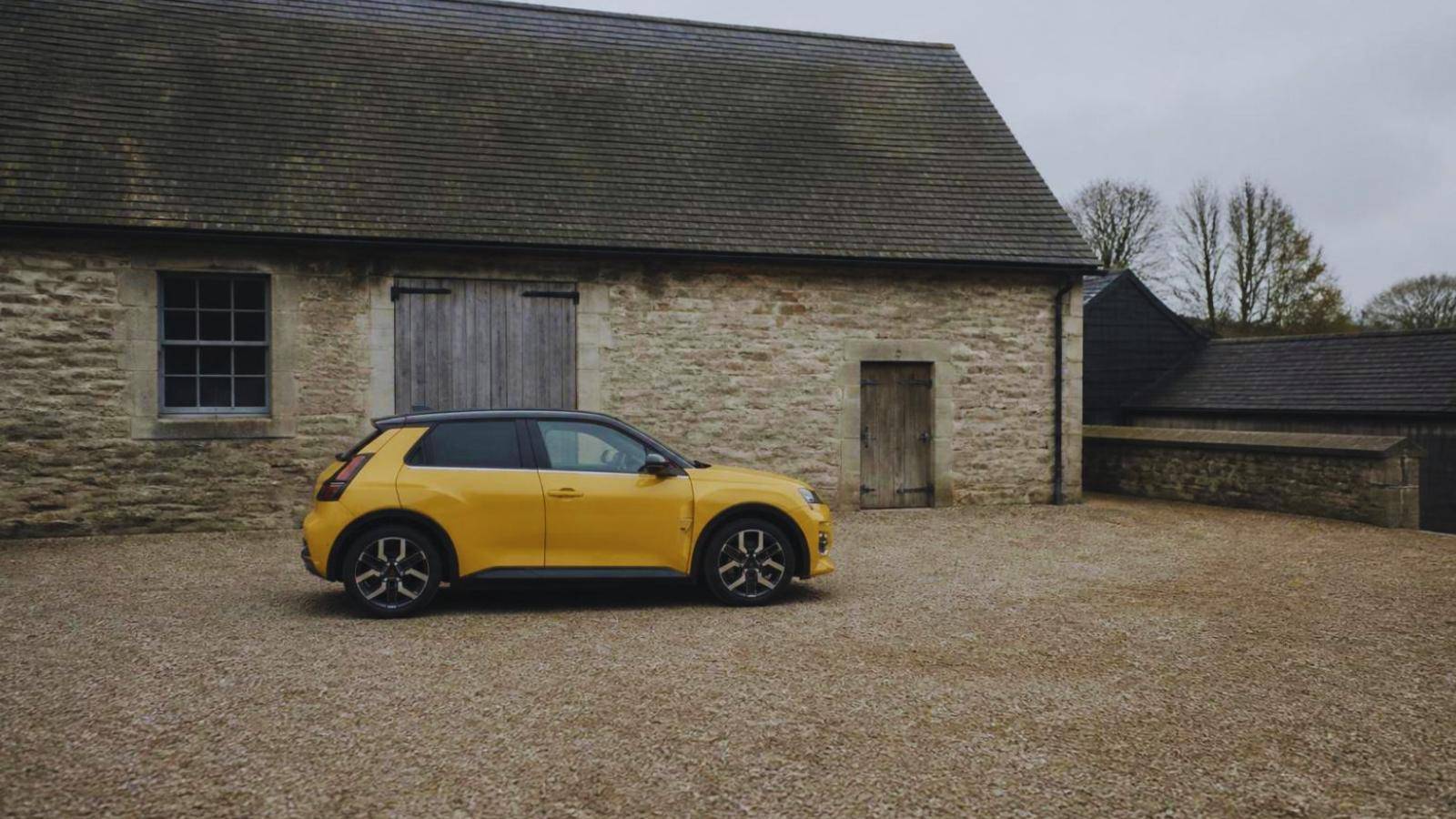
 FIG. 01 / HERO The Renault 5 E-Tech, the UK's 2026 Car of the Year
 The verdict
The Renault 5 E-Tech is the car the affordable-EV class has been waiting for, and the most charm-per-pound small electric car on sale in Britain in mid-2026. It was named UK Car of the Year 2026, it has spent recent months at or near the top of the UK EV sales charts, and the honest question is not whether it is good but whether anything in its class beats it. For most buyers, the answer is no.
What it gets right is most of what matters in a small EV. The design is the obvious draw, a clean modern take on the 1970s original that reviewers and buyers have warmed to almost universally, but the substance underneath is the surprise. It rides on a proper multi-link rear axle rather than the cheaper torsion-beam setup most rivals use at this price, and testers report a small car that is genuinely good to drive rather than merely cute. The two-battery line-up is sensibly judged, the cabin is more interesting than anything else in the segment, and the pricing, helped by a government grant we will untangle below, undercuts the obvious rivals on like-for-like spec.
It is not flawless. Rear space is tight, though that is the price of the size and no real surprise. The bigger irritation is that heated seats, a feature you genuinely want on cold mornings in a small EV, are locked to the top Iconic Five trim in the UK rather than offered as a cheap option lower down. And reviewers note it is less settled at motorway speeds than it is around town, which is fair for a car built first and foremost for the city.
We rate it 4.5 out of 5. It is class-leading for its intended buyer on the things that decide a small-EV purchase, with a couple of real but minor reservations that stop it short of a perfect score. It is the right car for someone who wants a characterful, well-sorted small EV at a real-world price, doing mostly urban and regional miles with the occasional longer run on the 52kWh battery. Look elsewhere if you need genuine rear-seat space for adults, or if a feature like heated seats matters enough that you would rather not pay to reach the top trim to get it.
This is a research synthesis: we have not driven the car. How we assessed it, and how we handle the line between a spec and a driving impression, is set out in full at the foot of this review.
The grant, explained (read this before you compare prices)
The single most confusing thing about Renault 5 pricing is the grant, because you will see two different prices for the same car across the web and they are both real. Here is how it works.
The UK Electric Car Grant applies to the Renault 5, and crucially it is two-tier, split by battery size:
- 52kWh cars get the full £3,750. The larger pack is built in-house by Renault and clears the scheme’s higher sustainability band, which is what unlocks the top grant.
- 40kWh cars get £1,500. The smaller battery qualifies for the lower band only.
That difference is worth understanding before you assume the cheapest car is the best value, because the grant narrows the real-world gap between the two batteries considerably.
In practice it means two things you should hold separate in your head: the manufacturer’s recommended price before the grant, which is what Renault’s own configurator and most reviews quote, and the price after the grant is applied, which is what you actually pay. The entry Evolution 40kWh has a recommended price of around £22,995, which becomes roughly £21,495 after its £1,500 grant. Step up to a 52kWh Techno, recommended at around £26,995, and the full £3,750 grant brings it down to roughly £23,245. Both figures come straight from Renault’s published prices; the only difference is whether the grant has been knocked off.
Two cautions. First, grant figures carry an as-of date: these bands are administered per model and they move, so treat the £3,750 and £1,500 figures as current at the time of writing (early June 2026) and confirm the live position with Renault before you order. Second, do not confuse this car-purchase grant with the separate chargepoint grant that helps with the cost of a home charger install. They are different schemes with different rules, and Renault’s own dealer material sometimes blurs them. The grant on this page is the one that comes off the price of the car.
Specs and range at a glance
There are two batteries, two motors, and a trim ladder that confuses people because the naming has shifted since launch, so it is worth walking through. Spec facts here are stated directly from manufacturer data and the independent specification databases.
The entry powertrain is a 40kWh battery with a 120hp motor, good for around 194 miles of WLTP range. Above it sits a 52kWh battery with a 150hp motor and around 252 miles of WLTP range. The 40kWh is the city-and-commute car; the 52kWh is the one to have if you do occasional longer runs and want to stop fretting about range. Both batteries get a heat pump as standard, which helps protect range in winter, and both rapid-charge to 80% in around half an hour on a suitable DC charger.
The trim ladder, recommended prices before grant, runs roughly: Evolution (40kWh only) from around £22,995; Techno from around £24,995, and the first trim where you can choose the bigger battery and more powerful motor; Iconic Five from around £26,995; and a limited-run Roland Garros special at around £29,995 on the 52kWh battery. The notable quirk is that you have to climb to Iconic Five to get heated seats, which is the line most reviewers single out as the line-up’s real annoyance.
- Batteries / motors
- 40kWh / 120hp · 52kWh / 150hp
- WLTP range
- 40kWh ~194 mi · 52kWh ~252 mi (real-world lower, see below)
- Real-world range (52kWh)
- ~200 mi in moderate conditions; toward ~150 mi in cold (per reviewers / real-world estimates)
- Rapid charging
- 10–80% in around 30 minutes on a suitable DC charger
- Home charging
- Standard 7kW wall charger fills either battery overnight; heat pump standard
- Bidirectional
- V2L usable now (~3.7kW via adapter); full V2G service not yet live for UK buyers
- Price (MRRP, ex-grant)
- From ~£22,995 (Evolution 40kWh) to ~£28,995 (Iconic Five 52kWh); Roland Garros ~£29,995
- Electric Car Grant
- £3,750 on 52kWh cars; £1,500 on 40kWh cars (as of June 2026, verify at order)
- Rear axle
- Multi-link (rare at the price; aids composure, per road tests)
- Infotainment
- Google built-in with native Maps + EV routing; physical climate controls retained
- VED (road tax)
- £10 first year, then £200/yr; under £50k so no Expensive Car Supplement
| Trim | Battery | Motor | MRRP (ex-grant) | Grant | WLTP range |
|---|---|---|---|---|---|
| Evolution | 40kWh | 120hp | ~£22,995 | £1,500 | ~194 mi |
| Techno | 40 or 52kWh | 120 / 150hp | from ~£24,995 | £1,500 / £3,750 | ~194 / ~252 mi |
| Iconic Five | 40 or 52kWh | 120 / 150hp | from ~£26,995 | £1,500 / £3,750 | ~194 / ~252 mi |
| Roland Garros (limited) | 52kWh | 150hp | ~£29,995 | £3,750 | ~252 mi |
Recommended prices before the Electric Car Grant; the grant is two-tier by battery (£3,750 on 52kWh, £1,500 on 40kWh) and is current as of early June 2026. Heated seats require Iconic Five. Verify trims, prices and grant bands with Renault before ordering.
Two honest notes on the numbers. WLTP range is a lab figure, and the real-world number is lower, as it is for every EV: reviewers and the independent real-world range estimates put the 52kWh car nearer 200 miles in moderate conditions, dropping toward 150 in genuine cold despite the standard heat pump. Plan around the lower figure, not the brochure one. And the 40kWh car’s shorter range is less of a limitation than it looks if your driving is mostly local, because you are charging at home overnight and starting most days full.
What it’s like to live with
We have not driven the Renault 5, so everything in this section is attributed to professional road testers and verified owners, not presented as our own impression.
Start with the design, because it is the thing that sells the car and the thing reviewers agree on most. The consensus is that Renault has pulled off the hard trick of referencing the original 5 without descending into pastiche: it looks modern, distinctive and genuinely cheerful, and testers repeatedly describe it as the most desirable small EV on looks alone. The cabin draws similar praise. Reviewers rate the materials, the colour and the design flair as a clear step above the grey plastic norm of the budget-EV class, and Auto Express and Carwow both note it feels more special inside than its price suggests.
The bigger surprise, the one that lifts the car above a styling exercise, is how it drives. Because Renault gave it a multi-link rear axle, testers report a small car with real composure: Carwow describes quick, eager steering and minimal body roll that make it fun on a twisty road, and Autocar credits it with the kind of sorted dynamics you do not expect at the price. The honest qualifier, which the same reviewers make, is that this competence is at its best around town and on a B-road; at sustained motorway speed they find it less refined, with more road and wind noise than a larger car and a slightly busy ride. That is a fair trade for a city car, and worth knowing if a lot of your miles are on the motorway.
More on the driving, because it is the part that justifies the awards. Reviewers describe a power delivery that is smooth and brisk enough to make the car feel lively in town: the 150hp version has enough urgency to nip out of junctions and overtake confidently, and even the 120hp car is rated as more than adequate for its job. The steering comes in for particular praise, quick and accurate in a way that makes the car feel keen to change direction, and testers note the body stays flat through corners rather than leaning the way cheaper small cars often do. The flip side, again attributed, is that this firmness shows up as a slightly fidgety ride over poor surfaces at lower speeds, and the cabin gets noisier than you would like on the motorway. None of that surprises anyone who knows the segment, but it is the honest counterweight to the “fun to drive” headline.
The interior technology lands well by class standards. The R5 runs Google’s built-in software, which means native Google Maps with EV route planning on the central screen, and reviewers rate the system as responsive and genuinely useful rather than a box-tick. Just as importantly, Renault kept physical controls for the things you use most, including proper climate controls, which testers consistently flag as the right decision and a relief after the all-touchscreen trend. It is a small thing that makes the car easier to live with day to day. The driving position and front-seat comfort draw fewer complaints than you might fear from a car this small; reviewers report it is easy to get comfortable up front, which matters because the car’s natural use case is short, frequent trips where you are in and out of it all day.
Renault set out to make an affordable car people actually want, not just one they’ll settle for. On that, it succeeded.
Practicality is where the size catches up with it. The boot is competitive for the class and the five-door layout helps access, but rear-seat space is tight, and reviewers are blunt that adults will not be comfortable in the back on a longer journey. Carwow notes that with the front seats set for average-size adults there is not much room behind. For a couple, a single-child family or a second-car buyer this is a non-issue; for anyone regularly carrying adults in the back it is a genuine limitation and a reason to look at something a size up.
The one feature gripe worth carrying honestly is the heated seats. In a small EV, heated seats are not a luxury, they are a range-preserving way to stay warm without running the cabin heater hard. In several European markets you can add them as a cheap option pack; in the UK you cannot, and the only way to get them is to step up to the Iconic Five trim. Autocar and Electrifying both call this out as the line-up’s most avoidable irritation, and we agree: it pushes buyers who want a sensible comfort feature toward a much pricier trim than they might otherwise need.
Range, charging and the real-world picture
Charging and range are straightforward on the Renault 5, with one feature that deserves a careful, honest explanation.
On range, the choice between batteries is the main decision. The 40kWh car’s roughly 194 miles WLTP (less in the real world, and less again in winter) is fine for a true city-and-suburbs life where you charge at home, and it keeps the price and the weight down. The 52kWh car’s roughly 252 miles WLTP makes the occasional longer trip relaxed rather than anxious, and with the £3,750 grant taking a big bite out of its price, the premium over the 40kWh is smaller than the headline numbers suggest. For most buyers who can charge at home, the 52kWh is the one we would point to, unless your mileage is genuinely low and local.
On charging, both cars rapid-charge to 80% in around 30 minutes on a suitable DC charger, which is competitive for the class and enough to make a longer journey a coffee-stop affair rather than a chore. At home, a standard 7kW wall charger fills either battery comfortably overnight, which, paired with a cheap overnight tariff, is where the running-cost case lives (more on that below).
The bidirectional charging story needs care, because it is easy to over-promise. The Renault 5 is one of the few cars at this price built with a bidirectional charger, and vehicle-to-load works today: with an adapter, the car can power external devices, drawing up to around 3.7kW, which is useful for camping, power tools or charging another device. The headline-grabbing feature, vehicle-to-grid, the ability to sell power from the car’s battery back to the grid through a compatible bidirectional home charger and a special tariff, is a different matter. The hardware is in the car, but the full V2G service (Renault’s Mobilize ecosystem and the tariff that monetises it) is launching in other European markets first and is not available to UK customers at launch. Treat V2G on the R5 as a promising capability for the future rather than a benefit you can use on day one in Britain, and check the current UK position before buying on the strength of it.
Running costs and salary sacrifice
This is where JustWatt adds something a pure car review does not: the Renault 5 is cheap to run, and cheap to tax, and for the right buyer it is a strong salary-sacrifice proposition.
Charge it at home on a smart overnight tariff and the fuel cost is low: at the kind of off-peak rates the best EV tariffs offer, the per-mile electricity cost of a small, efficient EV like this is a fraction of petrol. Rather than quote a single saving figure that may not match your driving, put your own mileage and tariff into our EV charging cost calculator, and see how to get on the cheapest rate in our best EV tariffs comparison. We are not going to rebuild a calculator here.
Tax is the other piece of good news, and it is unusually simple for this car. As an electric vehicle the Renault 5 pays £10 in its first year and then the standard £200 a year from year two, and because every version sits comfortably under the £50,000 threshold, none of them attracts the Expensive Car Supplement that catches pricier EVs. In plain terms: it is one of the cheaper new cars on the road to tax. Our EV road tax guide explains how the thresholds work.
For company-car and salary-sacrifice drivers, the numbers get better still. An EV attracts a very low Benefit-in-Kind rate, currently 4% for the 2026/27 tax year and rising only gradually, and on an already-affordable car that makes the monthly cost through a scheme strikingly low. The exact figure depends on your tax band and the car’s price, so use our company-car BIK calculator for your own number rather than a headline saving. If salary sacrifice is the route you are weighing, you lease the car through your employer’s scheme from gross salary, which is what produces the saving, and the providers below are where to get a quote.
One more running-cost detail in the R5’s favour: insurance. The car sits in relatively low insurance groups for the class, which reviewers note compares well against rivals like the MINI, and lower groups generally mean lower premiums. We would not lean too hard on that, because your own premium depends on your circumstances, postcode and history far more than the group rating, but it is a small point in the column marked “cheap to run” rather than against it. The honest caveats on the other side are depreciation and the usual EV unknowns: small EVs from desirable brands tend to hold value reasonably, but the used-EV market is still settling, so treat resale estimates with the same caution you would for any new model.
Who the Renault 5 is for
It is the right car for a clear set of buyers. Someone who wants a small EV with genuine character and a sense of occasion, rather than appliance transport. Urban and regional drivers whose mileage is mostly local with the odd longer trip, for whom the 52kWh battery removes any range worry. Couples, single people and small families who do not regularly need adult-sized rear seats. And company-car or salary-sacrifice drivers, for whom the low list price and the low BIK rate combine into one of the cheapest ways into a desirable new EV. For those buyers it is hard to beat.
It is the wrong car, or at least not the obvious one, for buyers with specific needs it does not meet. If you regularly carry adults in the back, the rear space will frustrate you and a slightly larger car makes more sense. If a lot of your driving is motorway, reviewers’ notes about refinement at speed are worth taking seriously. And if heated seats are a must-have, be aware you will have to climb to the top trim to get them in the UK, which changes the value equation.
The alternatives worth cross-shopping
The Renault 5’s natural rivals are the other B-segment small EVs, plus a couple of slightly larger cars that are priced into the same conversation. Their own reviews are not on the site yet, so we name them here rather than linking.
| Rival | What it does better than the R5 | Where it trails the R5 |
|---|---|---|
| MINI Cooper E | Badge appeal and a strong cabin; the closest on desirability | Costs more on like-for-like spec; rear space and practicality no better |
| Peugeot e-208 | Conventional, handsome, familiar | Pricier on comparable trim; less cabin character |
| Vauxhall Corsa Electric | Practical, familiar, often discounted | Less design flair and a less sorted chassis |
| Citroën ë-C3 | Among the cheapest new EVs; comfort-focused | Lacks the R5's charm, materials and dynamics |
| Fiat 500e | Fashion-led style; smaller and city-friendly | Tighter inside, less practical, shorter range |
| MG4 | Bigger, longer real-world range for similar money | Less upmarket cabin; less charm and design appeal |
| Hyundai Inster | Clever packaging; sliding rear seats trade legroom for boot space; keen price | Less design flair, cabin polish and chassis composure than the R5 |
| BYD Dolphin Surf | Keen pricing; strong outright value (the Surf city car, not the Dolphin) | Less polish and desirability than the R5 |
Among the direct like-for-like rivals, the MINI Cooper E is the obvious style alternative and the one cross-shoppers agonise over most; reviewers rate its cabin and badge appeal, but on comparable spec it tends to cost more and its rear space and practicality are no better. The Peugeot e-208 is a handsome, conventional choice that reviewers find pricier than the R5 on a like-for-like trim. The Vauxhall Corsa Electric and Citroën ë-C3 are the value-and-practicality picks: the ë-C3 in particular is among the cheapest ways into a new EV and is praised for comfort, though neither has the R5’s design flair or its sorted chassis. The Fiat 500e is the fashion-led, smaller alternative, charming but tighter inside and less practical again.
A size up, but priced close enough to tempt R5 buyers, are two value cars. The MG4 gives you a bigger, longer-range hatchback for similar money, at the cost of a less upmarket cabin and less of the R5’s charm. And the BYD Dolphin Surf, the small, keenly-priced entry from BYD (note this is the Surf, the city car, not the larger Dolphin), is the closest of the new Chinese-brand rivals on price, and the one to put on your list if outright value is the priority. We have a full BYD review coming, and will link it here once it is live.
One other name worth knowing is the Hyundai Inster, which reviewers increasingly cross-shop against the R5. It is the clever-packaging choice: cheaper than a top-battery Renault, with sliding rear seats that trade between surprising rear legroom and a big boot, so if interior flexibility matters more than design flair, it earns a look. What it gives up to the Renault is exactly that flair, plus the polish of the cabin and the sorted feel of the chassis. It is the head-over-heart pick where the R5 is the heart-over-head one.
The pattern across the class is consistent. Rivals can match the R5 on price (the ë-C3, the Dolphin Surf), on size and range for the money (the MG4), or on badge appeal (the MINI), but none of them combines the design, the cabin, the genuinely good chassis and the value the way the Renault does. That combination is why it keeps winning awards and topping the sales charts, and why, for most small-EV buyers, it is the one to beat.
The bottom line
The Renault 5 E-Tech earns its Car of the Year status. It is the rare affordable car that is desirable rather than merely sensible, and the engineering underneath, especially that multi-link rear axle, means the substance matches the looks. It is not perfect: rear space is tight, it is happiest below motorway speeds, and the heated-seats-only-on-the-top-trim decision is an own goal. But none of those is a dealbreaker for the buyer it is aimed at, and the grant makes the bigger-battery car better value than it first appears. A deserved 4.5 out of 5, and the small EV we would point most people toward in 2026.
How we reviewed the Renault 5
We have not driven the Renault 5 E-Tech. This review is a research synthesis: we aggregated professional UK road tests, consistent reports from verified owners, and manufacturer and independent specification data, all checked at the time of writing. Spec-level facts such as battery size, WLTP range, price, charging speed and tax treatment are stated directly from those sources. Subjective qualities such as ride, handling, steering feel, refinement, cabin quality and rear-seat space are attributed to the reviewers and owners who reported them, never presented as our own driving impressions.
Pricing, trim names and grant bands move, so confirm the current line-up and the live grant position with Renault before ordering. The Electric Car Grant figures are current as of early June 2026. Salary-sacrifice and running-cost figures are illustrative and routed to our calculators for your own numbers; we do not quote “save up to” averages. The vehicle-to-grid capability we describe is hardware-present but not yet available as a live service to UK customers at the time of writing.
Pros and cons.
Pros
- ✓Class-leading design and cabin charm; the most desirable small EV on looks (per reviewers)
- ✓Genuinely good to drive for the class, thanks to a proper multi-link rear axle (per road tests)
- ✓Strong value, especially the 52kWh car after its full £3,750 Electric Car Grant
- ✓Sensible two-battery line-up: a cheap city 40kWh and a longer-range 52kWh
- ✓Cheap to tax (£10 first year, then £200) and a strong, low-BIK salary-sacrifice proposition
- ✓Google built-in software with native Maps, plus retained physical climate controls (per reviewers)
- ✓Rapid charges to 80% in around 30 minutes; heat pump standard on both batteries
Cons
- ✗Tight rear-seat space; adults won't be comfortable in the back on a long trip (per reviewers)
- ✗Heated seats locked to the top Iconic Five trim in the UK, no cheap option lower down
- ✗Less refined at motorway speeds than around town (per road tests)
- ✗Vehicle-to-grid is hardware-present but not a live service for UK buyers at launch
- ✗WLTP range optimistic; plan around the lower real-world figure, especially in winter
Frequently asked.
How much is the Renault 5 E-Tech in the UK?
Recommended prices run from about £22,995 for the entry Evolution (40kWh) to about £28,995 for a 52kWh Iconic Five, with a limited Roland Garros at around £29,995. Those are before the Electric Car Grant, which takes £1,500 off 40kWh cars and £3,750 off 52kWh cars, so the cheapest car is around £21,495 to buy. Confirm prices and the live grant with Renault before ordering.
What is the Renault 5's range?
The 40kWh car claims around 194 miles WLTP and the 52kWh car around 252 miles. In the real world expect less, with the 52kWh nearer 200 miles in moderate conditions and toward 150 in genuine cold, despite the standard heat pump. Plan around the lower figure.
Which Renault 5 battery should I choose?
The 40kWh is the cheaper city-and-commute choice if your mileage is mostly local and you charge at home. The 52kWh is the better all-rounder for occasional longer trips, and because it qualifies for the full £3,750 grant, the price gap to the 40kWh is smaller than the list prices suggest. For most home-charging buyers, we'd point to the 52kWh.
How fast does the Renault 5 charge?
Both batteries rapid-charge to 80% in around 30 minutes on a suitable DC charger. At home, a standard 7kW wall charger fills either battery comfortably overnight, which is where the cheap-running-cost case lives if you're on an off-peak EV tariff.
How much does the Renault 5 cost to tax?
As an EV it pays £10 in the first year and then the standard £200 a year from year two. Because every version is under the £50,000 threshold, none attracts the Expensive Car Supplement, so it's one of the cheaper new cars on the road to tax.
Is the Renault 5 good for salary sacrifice?
It's one of the strongest small-EV options, because a low list price combined with the low EV Benefit-in-Kind rate (4% for 2026/27, rising gradually) makes the monthly cost through a scheme very low. Use our BIK calculator for your own figure rather than a headline saving.
Renault 5 vs MINI Cooper E, which is better?
The MINI has badge appeal and a strong cabin, but tends to cost more on comparable spec and is no roomier in the back. The Renault counters with better value, a more practical five-door layout, a sorted multi-link chassis and arguably more charm. For most buyers the R5 is the better-value pick; the MINI is the choice if the badge matters most.
Does the Renault 5 have vehicle-to-grid (V2G)?
It has the hardware for bidirectional charging, and vehicle-to-load (powering external devices, up to around 3.7kW with an adapter) works today. But the full vehicle-to-grid service, selling power back to the grid through a compatible charger and tariff, is launching in other European markets first and isn't available to UK customers at launch. Treat it as a future capability, not a day-one UK benefit.
Is rear space a problem in the Renault 5?
Yes, if you regularly carry adults in the back. The five-door layout helps access, but reviewers are clear that rear legroom is tight and adults won't be comfortable on a longer journey. For a couple, a single driver or a small family it's fine; for a full car of adults, look a size up.
Is the Renault 5 worth it?
For someone who wants a characterful, well-built small EV at a real-world price and does mostly urban or regional driving, yes, it's the class benchmark in 2026 and our pick of the affordable EVs. If you need adult rear space, do mostly motorway miles, or want heated seats without paying for the top trim, weigh it against the alternatives first.
Sources
- Renault UK: Renault 5 E-Tech pricing, trims and specifications — accessed 3 Jun 2026
- EV Database: Renault 5 E-Tech 52kWh 150hp (range, charging, real-world figures) — accessed 3 Jun 2026
- RAC Drive: Renault 5 E-Tech review (pricing, trims, grant) — accessed 3 Jun 2026
- Autocar: Renault 5 road test (dynamics, multi-link axle, heated-seats note) — accessed 3 Jun 2026
- Carwow: Renault 5 E-Tech review (driving impressions, rear space, rivals) — accessed 3 Jun 2026
- Electrifying: Renault 5 E-Tech review (52kWh £3,750 grant, Iconic Five heated seats) — accessed 3 Jun 2026
- Auto Express: Renault 5 review (cabin, VED treatment, insurance) — accessed 3 Jun 2026
- Mobilize / Renault: Renault 5 V2G and bidirectional charging (UK availability) — accessed 3 Jun 2026
Sources: Manufacturer documentation, verified owner reports, and industry sources. Not hands-on tested.
Corrections: if we got something wrong, tell us and we'll fix it in public, dated and signed. Last updated 3 June 2026.